
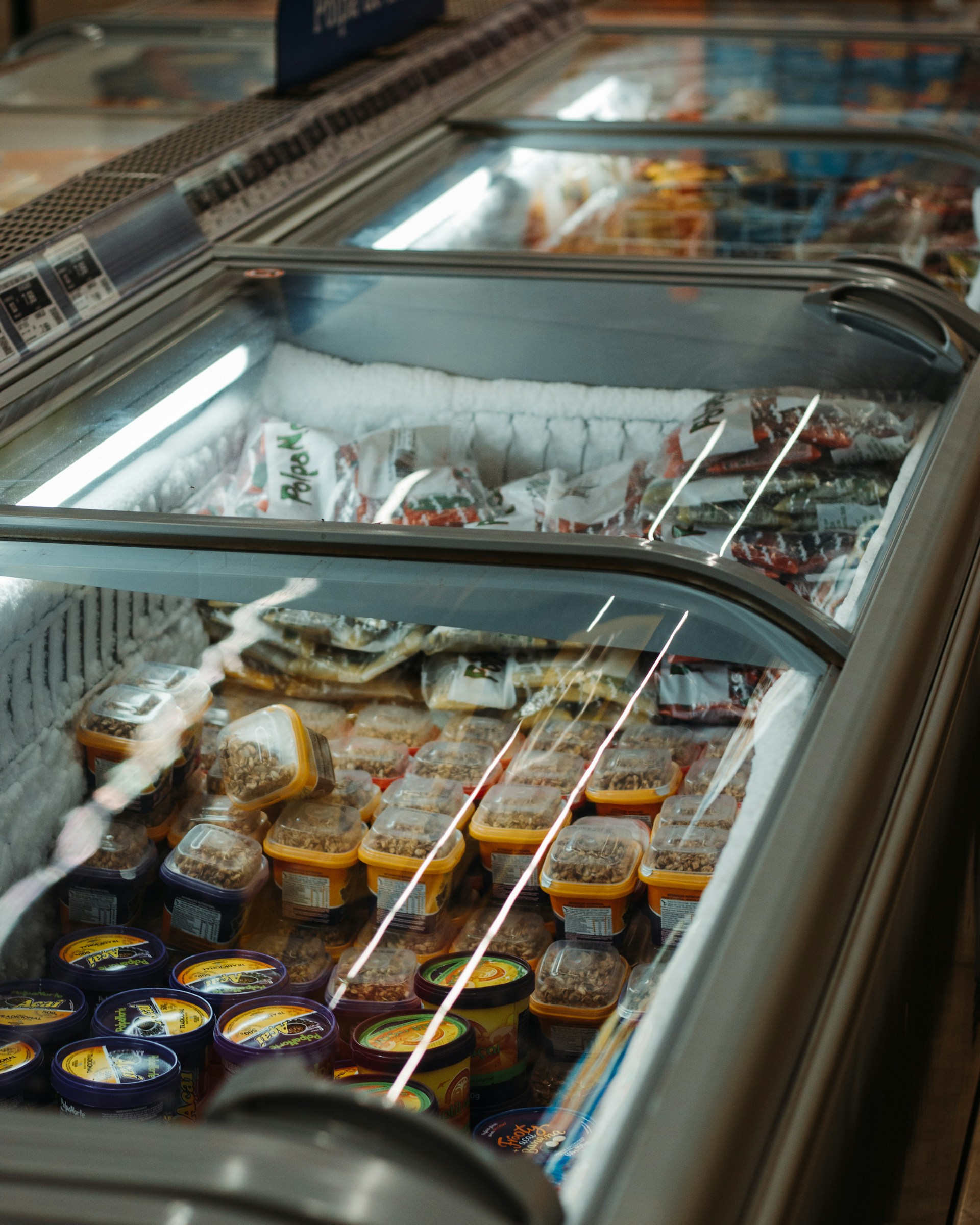
In the frozen food industry, any deviation outside specified temperature ranges is known as a temperature excursion.
Understanding what it is, why it happens, and how to manage it is critical for food safety, compliance, and business performance.
A temperature excursion occurs whenever a frozen product or storage environment rises above or drops below its required temperature range for a defined period.
For example:
Excursions can be short-term spikes (e.g., door left open) or long-term failures (e.g., freezer malfunction).
Temperature excursions are not just numbers on a thermometer- they have real consequences:
1. Food Safety Risks
2. Loss of Quality
3. Regulatory Compliance
4. Financial Impact
Understanding the source of excursions is key to prevention:
Wireless temperature sensors provide real-time alerts when temperatures go out of range.
They log data continuously, helping prove compliance and reducing manual checks.
A clear plan for responding to excursions (e.g., moving stock, repairing equipment, documenting actions.)
Prevents failures and ensures that freezers and chillers operate within specifications.
Everyone in the cold-chain should understand the importance of temperature control and know what to do if alarms sound.
Automated systems create logs suitable for audits, helping businesses demonstrate compliance with BRCGS, HACCP, and UK/EU food safety requirements.
Temperature excursions are one of the most common causes of food safety issues and wasted stock in frozen food operations, but they are highly preventable. By combining reliable monitoring, staff training, maintenance, and clear response protocols, businesses can maintain product integrity, protect consumers, and stay compliant.
Don’t leave your frozen stock at risk.
JTF’s wireless monitoring solutions alert you instantly to temperature excursions, provide audit-ready logs, and help keep your products safe, 24/7.
Book a free consultation today and see how JTF can protect your cold-chain, reduce waste, and simplify compliance.
“Since implementing JTF’s system, we’ve reduced incidents by 85%. Their optimisation transformed our operations and took the headache away that was temperature monitoring!”

“We were facing UKAS compliance issues before JTF stepped in. Thanks to their system, we passed our audit with flying colours and haven’t looked back since.”

“JTF helped us increase our temperature performance from 73% to 99% in just one year.”

“We’ve stayed with JTF for three years because their systems continue to evolve, and they’re always focused on helping us improve performance. It’s rare to find that level of commitment and support in the industry.”

“After installing JTF’s monitoring system, we reduced rejected deliveries from one per month to zero. It’s saved us a huge amount in costs and ensured product integrity throughout our supply chain.”



.jpg)


