
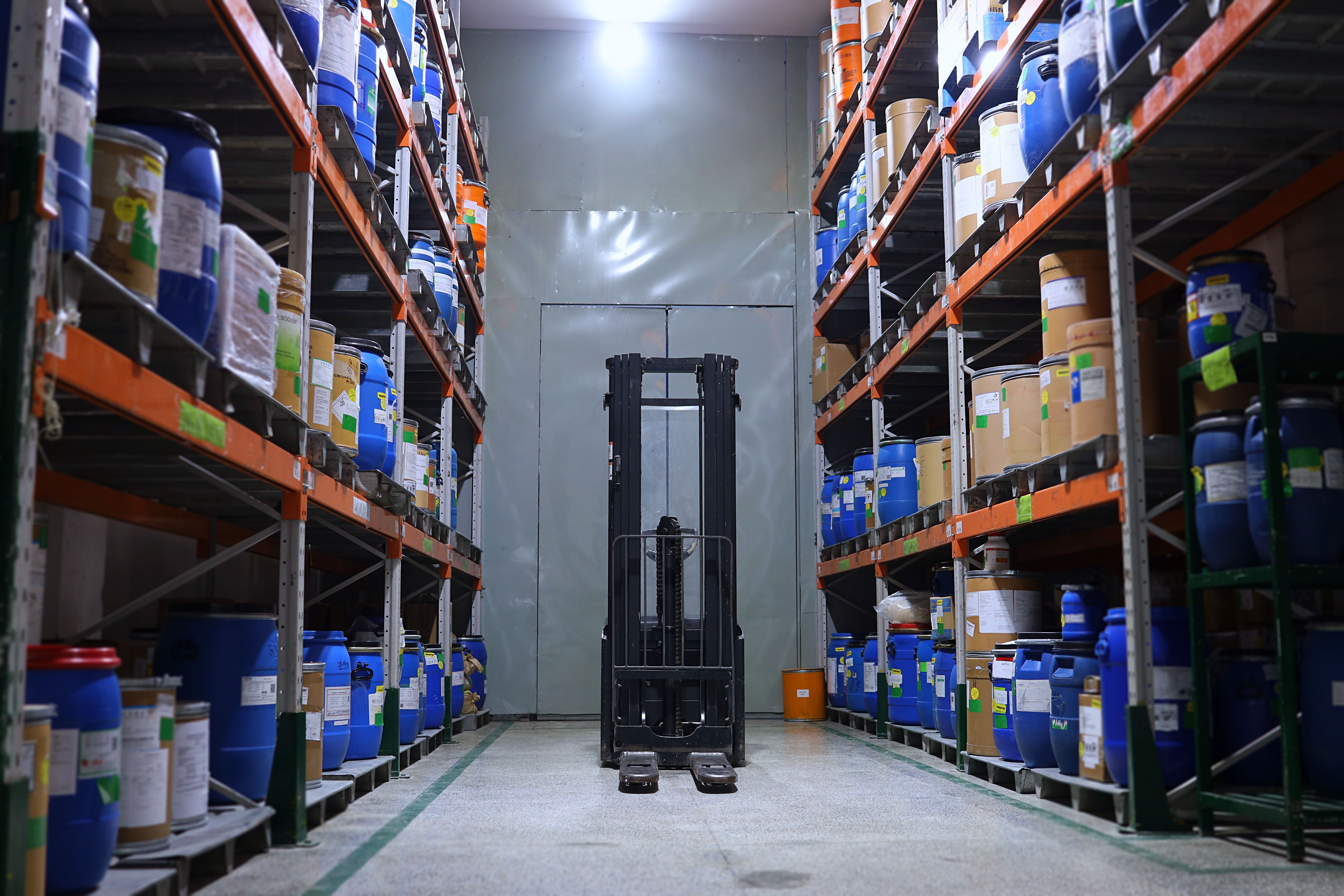
In pharmaceutical environments, temperature control is not simply a best practice, it is a regulatory requirement.
Whether storing vaccines, biologics, blood products, insulin, clinical trial materials, or specialist medicines, maintaining products within their specified temperature range is critical to ensuring their safety, efficacy, and quality.
Yet temperature excursions continue to occur across pharmacies, hospitals, laboratories, and pharmaceutical distribution networks. A refrigeration failure, prolonged door opening, power outage, or unnoticed equipment fault can quickly lead to temperatures drifting outside acceptable limits.
The result? Potential product loss, compliance concerns, operational disruption, and significant financial consequences.
In this article, we'll explore the true cost of a pharmaceutical temperature excursion and how real-time monitoring can help organisations reduce risk.
A temperature excursion occurs when a product is exposed to temperatures outside its approved storage conditions for a defined period of time.
Common examples include:
Not every excursion automatically results in product disposal, but every excursion must be assessed, documented, and investigated.
The challenge is often not the excursion itself, it's discovering it too late.
Many pharmaceutical products carry significant value.
A single refrigerator may contain:
If temperature integrity cannot be proven following an excursion, organisations may be forced to quarantine or dispose of stock.
This can lead to:
For hospitals and pharmacies already operating under budget pressures, even a single excursion can have substantial consequences.
Pharmaceutical organisations must comply with strict regulatory requirements regarding storage conditions.
These may include:
Regulators expect organisations to demonstrate:
Missing records, delayed responses, or incomplete investigations can raise concerns during inspections and audits.
The ability to prove control is often just as important as maintaining control itself.
Product loss is only one part of the problem.
A temperature excursion can trigger a series of operational challenges, including:
Investigations and Root Cause Analysis
Teams may need to determine:
Without continuous monitoring data, these investigations become significantly more difficult.
Increased Administrative Work
Quality teams may need to:
This can consume valuable time and resources.
Impact on Patient Care
In healthcare environments, product availability directly impacts patient treatment.
If medicines or blood products become unavailable due to a temperature excursion, patient services may be affected while replacement stock is sourced.
Temperature excursions rarely occur without warning.
Common causes include:
Equipment Failure
Refrigeration units naturally degrade over time. Without monitoring, issues may remain unnoticed until temperatures exceed acceptable limits.
Power Outages
Even short-term power interruptions can affect temperature stability.
Human Error
Examples include:
Environmental Conditions
Heatwaves, poor ventilation, and inadequate air conditioning can increase the likelihood of temperature fluctuations.
Many pharmaceutical organisations still perform manual temperature checks as part of their compliance processes.
While these checks can provide useful snapshots, they cannot provide continuous visibility.
A temperature issue occurring between checks may go unnoticed for hours.
This creates significant compliance and operational risk.
Manual processes can also result in:
As regulatory expectations continue to evolve, many organisations are moving towards automated monitoring solutions.
Continuous monitoring allows organisations to identify issues before they become costly incidents.
With JTF Wireless, pharmaceutical organisations can benefit from:
Instant Alerts
Notifications can be delivered through:
Structured escalation workflows ensure alerts continue until action is taken.
Continuous Data Collection
Rather than relying on periodic checks, organisations gain a complete temperature history with no gaps in visibility.
Audit-Ready Records
The Sematics platform provides:
Multi-Site Visibility
Pharmacies, laboratories, hospitals, warehouses, and transport fleets can all be monitored through a single cloud-based platform.
Discover how JTF Wireless supports pharmacies, hospitals, laboratories, and healthcare providers with real-time temperature monitoring and compliance-ready reporting through the Sematics platform.
“Since implementing JTF’s system, we’ve reduced incidents by 85%. Their optimisation transformed our operations and took the headache away that was temperature monitoring!”

“We were facing UKAS compliance issues before JTF stepped in. Thanks to their system, we passed our audit with flying colours and haven’t looked back since.”

“JTF helped us increase our temperature performance from 73% to 99% in just one year.”

“We’ve stayed with JTF for three years because their systems continue to evolve, and they’re always focused on helping us improve performance. It’s rare to find that level of commitment and support in the industry.”

“After installing JTF’s monitoring system, we reduced rejected deliveries from one per month to zero. It’s saved us a huge amount in costs and ensured product integrity throughout our supply chain.”