When people think about temperature monitoring in healthcare, they often think about a refrigerator containing medicines or vaccines.
But healthcare facilities contain numerous temperature-sensitive environments.
Laboratories, pharmacies, blood banks, incubators, walk-in refrigerators and storage areas can all require controlled conditions.
The challenge is knowing where the risks are and whether you're monitoring them continuously.
Blood storage is one of the most obvious areas where temperature control is critical.
However, the risks extend beyond the main blood bank refrigerator.
High-traffic equipment, issue fridges and environments where doors are frequently opened can experience temperature fluctuations throughout the day.
Continuous monitoring can help teams identify these changes as they happen.
Medicines can require specific storage conditions, making pharmacy refrigerators and freezers important monitoring points.
A refrigerator may appear to be operating normally during a routine check while experiencing fluctuations at other times.
Continuous monitoring creates a record of conditions throughout the day rather than relying on individual readings.
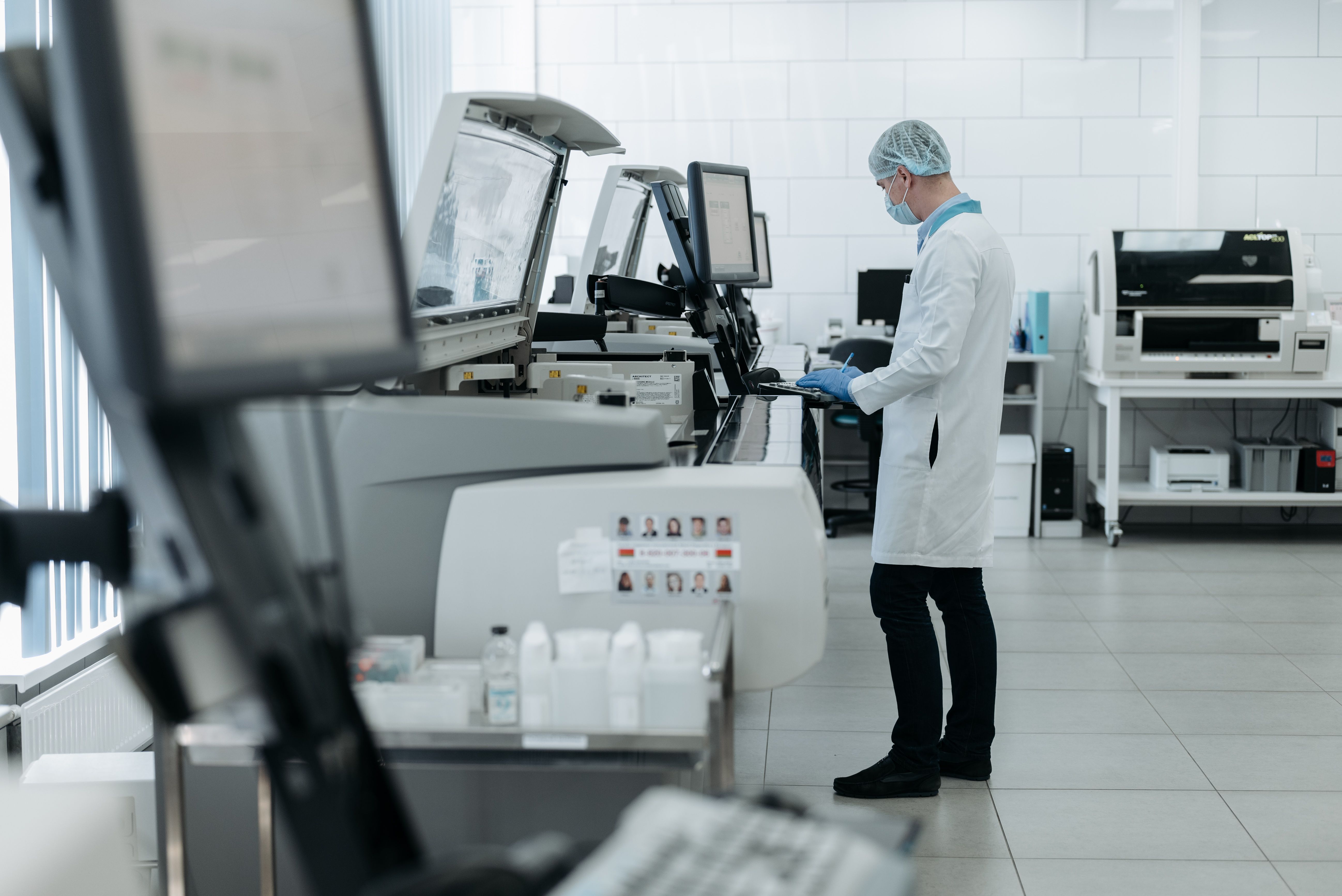
Healthcare laboratories can contain a wide range of equipment requiring environmental monitoring.
Incubators, refrigerators and freezers may each have different requirements.
Monitoring these environments centrally can reduce the need for teams to manually check multiple pieces of equipment.
Large storage environments can present different challenges to smaller units.
Frequent staff access, loading activity and large volumes of stored products can all influence internal conditions.
Monitoring can provide visibility across these larger spaces and help identify temperature trends.
Temperature risk doesn't necessarily begin inside the refrigerator.
Products can be exposed to changing ambient conditions during movement between storage areas, laboratories and vehicles.
Monitoring these transition points can help healthcare organisations understand where temperature changes occur.
Temperature data can also provide insight into the condition of refrigeration equipment.
Gradual changes in temperature patterns may indicate that equipment isn't maintaining conditions as effectively as it once did.
Identifying these trends early can give facilities teams an opportunity to investigate before a major failure occurs.
Healthcare facilities operate around the clock.
Temperature problems can happen overnight, during weekends or on bank holidays.
That's why monitoring needs to extend beyond normal working hours.
Real-time alerts can notify appropriate personnel when configured thresholds are breached, helping teams respond even when they're not physically standing beside the equipment.
The first step in reducing temperature risk is understanding where it exists.
JTF Wireless provides healthcare organisations with continuous monitoring through Sematics, allowing teams to view live and historical temperature data from a central platform.
Users can also access alarm histories, reporting and other monitoring information, helping create a clearer picture of their temperature-controlled environments.
The biggest temperature risk in a healthcare facility isn't always the most obvious one.
It could be a frequently opened refrigerator, an ageing freezer, a busy laboratory incubator or a temperature-controlled area that isn't being monitored continuously.
By expanding monitoring beyond the obvious locations, healthcare organisations can build greater visibility and identify potential problems earlier.
You can't manage a temperature risk you can't see. Speak to our team about monitoring your healthcare environment with our Sematics system.
“Since implementing JTF’s system, we’ve reduced incidents by 85%. Their optimisation transformed our operations and took the headache away that was temperature monitoring!”

“We were facing UKAS compliance issues before JTF stepped in. Thanks to their system, we passed our audit with flying colours and haven’t looked back since.”

“JTF helped us increase our temperature performance from 73% to 99% in just one year.”

“We’ve stayed with JTF for three years because their systems continue to evolve, and they’re always focused on helping us improve performance. It’s rare to find that level of commitment and support in the industry.”

“After installing JTF’s monitoring system, we reduced rejected deliveries from one per month to zero. It’s saved us a huge amount in costs and ensured product integrity throughout our supply chain.”