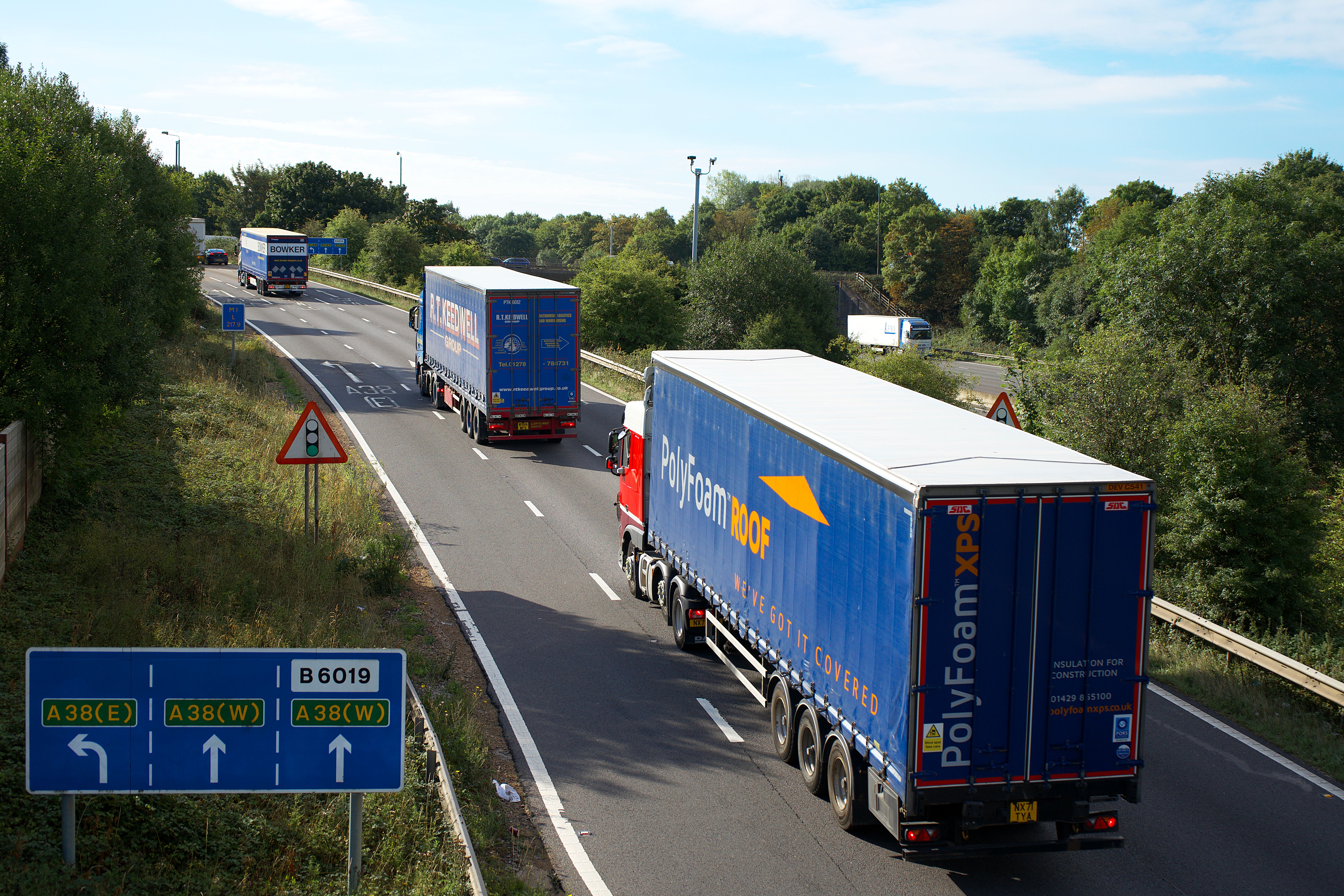
A temperature-controlled supply chain doesn't end when products leave a warehouse.
Once a vehicle begins its journey, products can be exposed to changing conditions, delays, door openings and equipment issues.
For food, pharmaceuticals and other temperature-sensitive products, maintaining the correct conditions throughout transportation is essential.
That means businesses need visibility from depot to destination.
There are numerous factors that can affect temperatures during a journey.
Hot or cold weather can place additional pressure on refrigerated vehicles.
Every time a vehicle door opens, conditioned air can escape and external air can enter.
Frequent deliveries can therefore create repeated temperature fluctuations.
A fault with the vehicle's refrigeration system can quickly affect the environment inside the vehicle.
Unexpected delays can extend journey times and increase exposure to temperature fluctuations.
Poor loading practices or extended loading times can affect temperature stability.
Temperature data tells you what happened.
Vehicle tracking can help tell you where it happened.
Combining the two provides much greater visibility.
For example, if a temperature excursion occurs during a delivery, location data can help establish:
This creates a much clearer picture of the event.
Waiting until a vehicle reaches its destination to discover a temperature problem can be too late.
Real-time alerts allow teams to be notified while the vehicle is still on the road.
This provides an opportunity to investigate and respond before the product reaches its destination.
For logistics operations, this can mean the difference between managing an issue and discovering one after the fact.
Not every problem requires an immediate response.
Historical data can also help logistics teams identify recurring patterns.
For example:
These insights can help businesses improve processes and fleet performance.
Temperature records are also an important part of demonstrating that products have been transported under appropriate conditions.
A digital record can provide evidence of:
✔ Temperature throughout the journey
✔ Alarm events
✔ Journey history
✔ Deviations
✔ Response actions
This can simplify investigations and provide greater confidence when customers or auditors request evidence.
JTF Wireless provides temperature monitoring and logistics visibility designed to help businesses understand what's happening throughout the journey.
By combining environmental data with vehicle tracking and other fleet information, businesses can move towards a more connected approach to cold chain management.
The objective isn't simply to know where a vehicle is.
It's to understand what is happening to the products inside it.
Cold chain logistics presents risks that don't exist when products are sitting safely inside a controlled warehouse.
Temperature monitoring, vehicle tracking and real-time alerts provide the visibility needed to identify problems quickly and understand what happened during a journey.
Talk to JTF Wireless today about creating a more connected cold chain through wireless monitoring.
“Since implementing JTF’s system, we’ve reduced incidents by 85%. Their optimisation transformed our operations and took the headache away that was temperature monitoring!”

“We were facing UKAS compliance issues before JTF stepped in. Thanks to their system, we passed our audit with flying colours and haven’t looked back since.”

“JTF helped us increase our temperature performance from 73% to 99% in just one year.”

“We’ve stayed with JTF for three years because their systems continue to evolve, and they’re always focused on helping us improve performance. It’s rare to find that level of commitment and support in the industry.”

“After installing JTF’s monitoring system, we reduced rejected deliveries from one per month to zero. It’s saved us a huge amount in costs and ensured product integrity throughout our supply chain.”