Case study · Food and cold storage
Over 95% optimal performance across 25 sites
A UK food distributor with 25 storage sites used JTF and Sematics to fix misleading readings and act on its reports. Optimal temperature performance across its sites is now over 95%, with many sites at 99%.
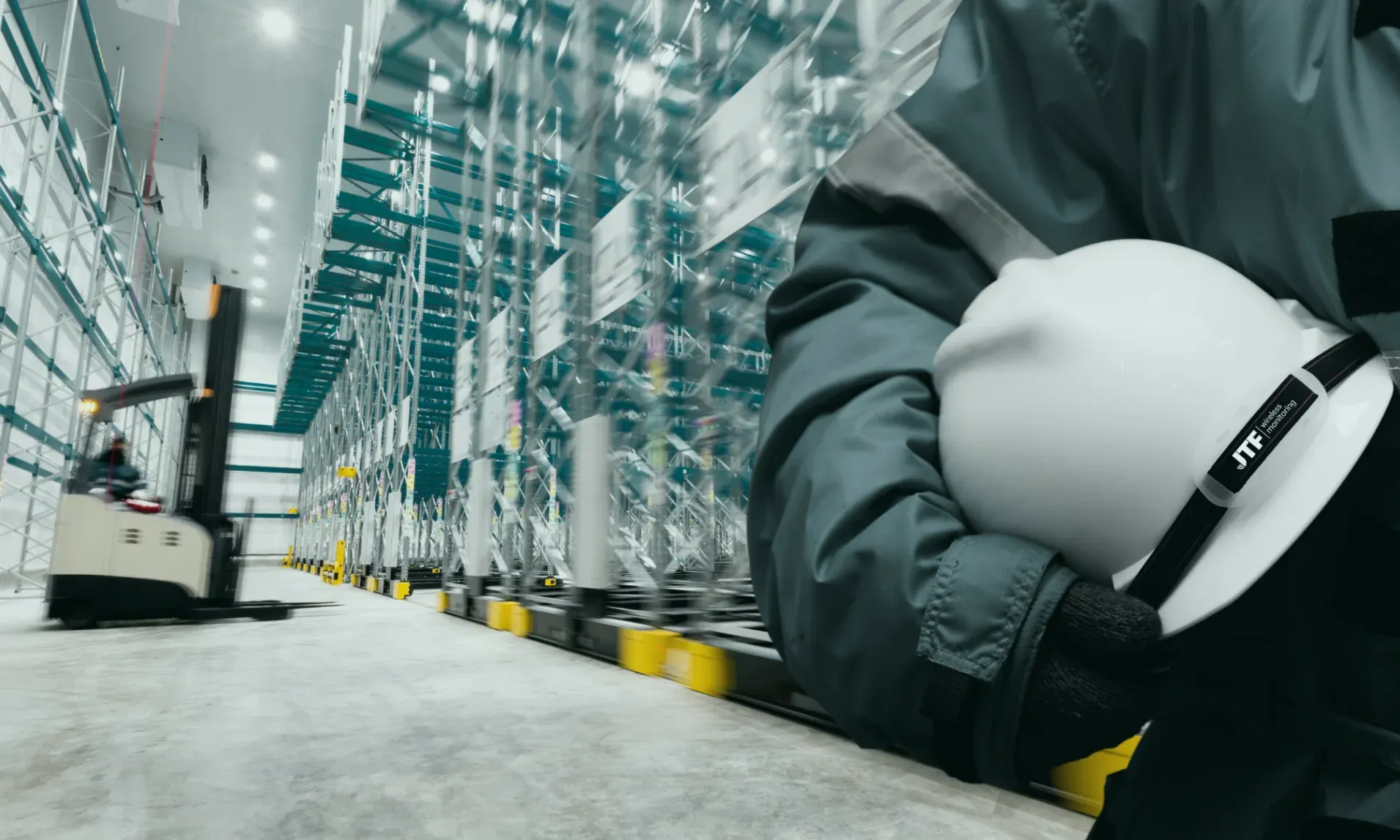
- Customer
- A 25-site food distributor
- Sector
- Food and cold storage
- Rules it served
- Food safety and customer audit standards
- Sites
- 25 storage facilities across the UK
- Worked with
- The customer's refrigeration contractors
The problem
With 25 storage sites across the country, the distributor struggled to keep conditions consistently in range, and to know why they weren't.
Some sensors were in the wrong places, too close to refrigeration units or high up near ceilings, so they recorded misleading temperatures and set off alarms for nothing. Reports were produced but rarely acted on. Refrigeration ran on generic setpoints rather than the conditions the products needed. The result was variation between sites and no clear route to improve it.
What we did
JTF deployed the Sematics platform with one aim: to use the data to improve performance, not just record it.
- Sensors moved to positions that reflect where the products are actually held.
- With readings they could trust, the team worked with its refrigeration contractors to adjust control setpoints to what the products need.
- Each site's Sematics performance report reviewed regularly, with each deviation followed by an investigation, a corrective action and a check that it worked.
Accountability moved to the sites: staff took ownership of their own site's results.
The result
Across the 25 sites, optimal temperature performance is over 95%, and many sites hold 99% consistently. There are fewer excursions, and meeting internal and customer standards is routine rather than a scramble.
Conversations with refrigeration contractors now start from data rather than assumptions, so effort goes to the sites and units that need it.
In figures
What changed, at a glance
Over 95%
optimal performance across a 25-site food distributor, many sites at 99%
- Sensors movedAway from coolers and ceilings
- Set points adjustedWith the refrigeration contractors
- Reports reviewedSite by site, regularly
- Deviations acted onInvestigated and followed up
Related
If this sounds like your site
Food and cold storage
Monitoring for warehouses, cold stores and distribution sites, and what auditors expect.
Read moreBRCGS temperature control
What the food safety standard asks of temperature records.
Read moreAlarms and reports
Performance reports by site, and alarms that reach a person.
Read more
Source: Case study published on jtfwireless.com; customer not named. The figure: Public case study on jtfwireless.com (customer not named).
20-minute compliance check
Would your records stand up the same way?
In 20 minutes we look at how you prove temperature to your inspector or auditor, and where the gaps are. You get a short list of what to fix first. No product tour.