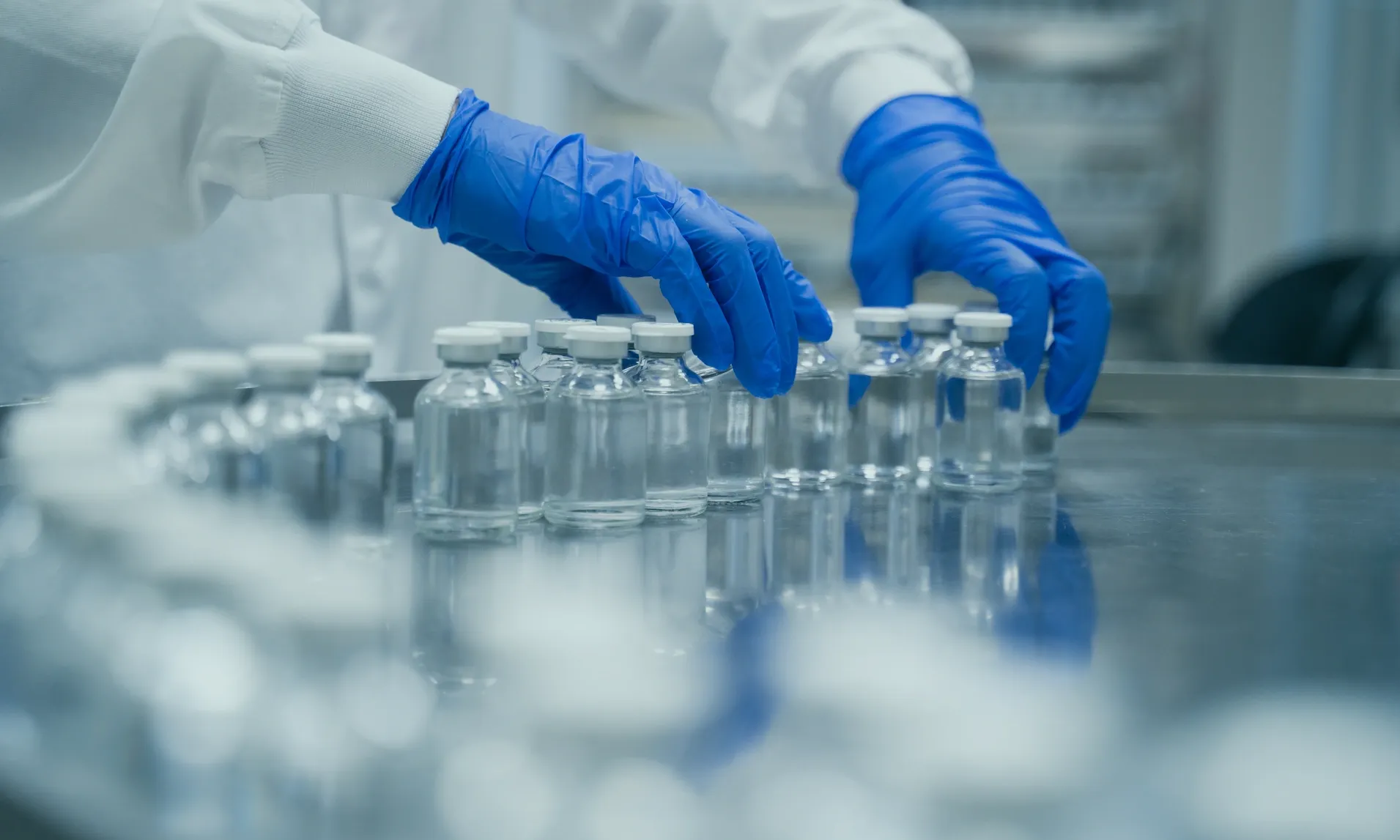
Home healthcare and pharmacy
85%
fewer temperature incidents for a home healthcare provider
“Sematics has completely taken the stress out of temperature monitoring.”
Regulation: MHRA GDP
Read the case study storyUKAS accredited calibration laboratory No. 10723
For care homes, home healthcare and community pharmacy
The CQC expects medicines kept at the temperature the manufacturer sets, with fridge readings recorded and problems acted on. 85% fewer temperature incidents: that is what a home healthcare provider has seen since moving its monitoring to JTF.
4.4°C
What inspectors ask you
Part of safe care and treatment: medicines stored so they stay safe and effective, including at the right temperature.
Fridge medicines at 2 to 8 °C, temperatures recorded daily, and room temperature kept below the manufacturer's limit.
Current, minimum and maximum readings recorded, and advice sought when a reading is out of range before medicines are used.
Providers holding a wholesale dealer's authorisation are inspected by the MHRA against GDP for storage and delivery.
Read the guideMedicines storage
From the provider's published case study (name withheld).
What we monitor
Each fridge with 2 to 8 °C limits and an alarm to the person on shift, day or night.
Room temperature, so a hot summer week doesn't quietly put stock above its limit.
Dispensary and vaccine fridges, with the daily record kept for you.
Warehouses, cold rooms and delivery vehicles on one record, from store to patient.
Home healthcare and pharmacy
85%
fewer temperature incidents for a home healthcare provider
“Sematics has completely taken the stress out of temperature monitoring.”
Regulation: MHRA GDP
Read the case study storyServices for this sector
Wireless sensors, alarms that reach a person and an audit trail of who acted.
Explore the serviceTemperature calibration in our UKAS accredited calibration laboratory No. 10723, or on your site.
Explore the serviceDesign, installation, training and engineer cover from one UK team.
Explore the serviceWhat each tier covers and how fast we respond, in plain words.
Explore the serviceFree checklist
One page on what the guidance expects for medicine and vaccine storage, and what to record during an excursion.
Questions
The CQC asks for daily records and action when readings are out of range. Continuous monitoring keeps that record for you and catches the nights and weekends a daily check misses.
The person on shift gets the alarm, the readings show how far and how long, and the record holds what they did and the advice they took. See temperature excursions.
Yes. Each site keeps its own fridges and alarm routes, and managers see every site on one record.
Calibration for every sensor we supply: traceable to national standards as standard, or UKAS accredited where you need it (temperature in our own UKAS accredited calibration laboratory No. 10723; other parameters through accredited partners).
20-minute compliance check
In 20 minutes we go through your fridges, records and what happens when one fails. You get the gaps in writing. No product tour.