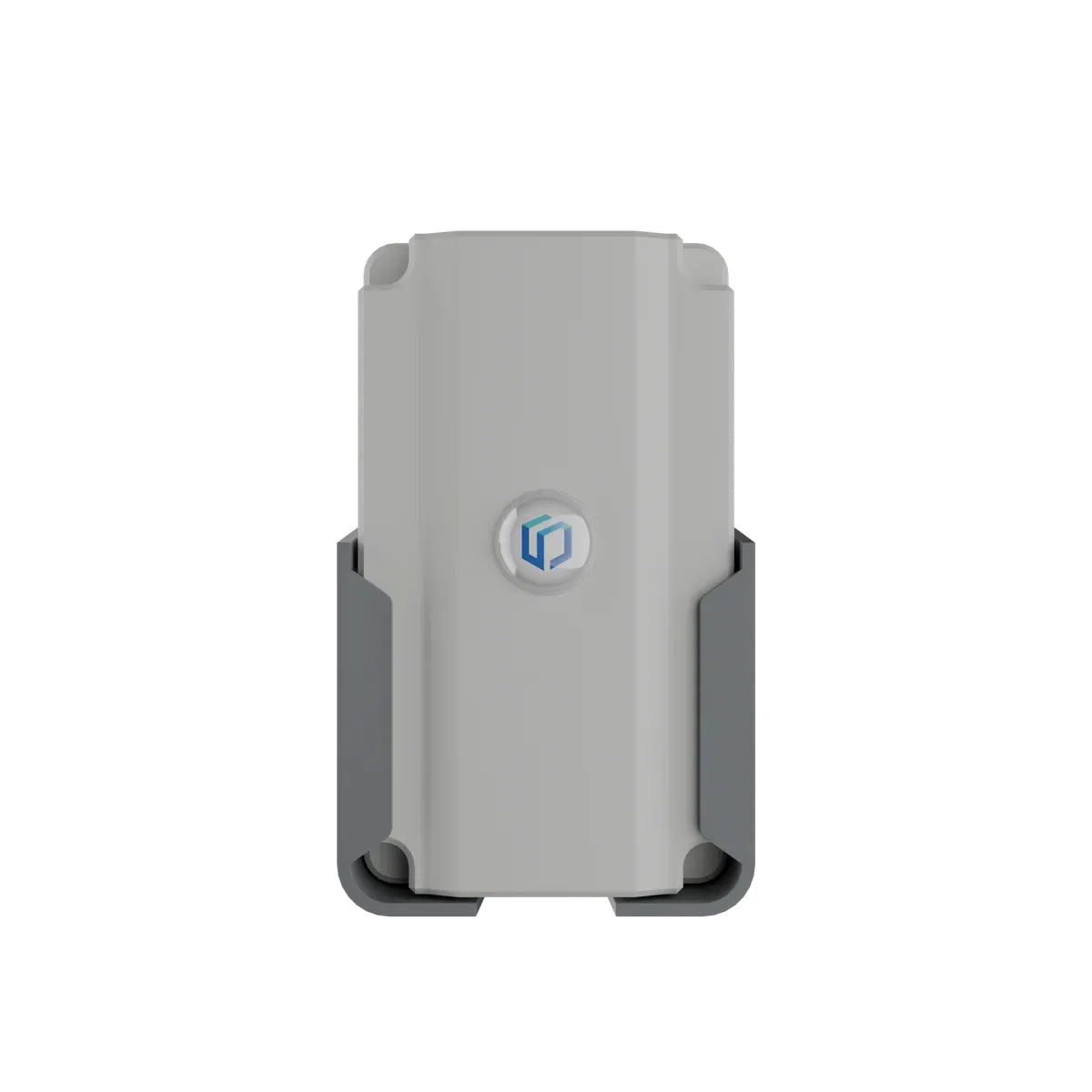
SEN-AIN
Node+ Embedded
Sealed wireless temperature sensor for fridges, freezers and stores.
- LoRaWAN
- Temperature
Specs Datasheet
UKAS accredited calibration laboratory No. 10723
For cold stores, food and drink distributors and 3PL warehouses
BRCGS Storage and Distribution asks for alarms or recorded checks on every controlled store, mapped temperature distribution, calibrated sensors and time limits outside control. We cover a single cold store or an estate of depots on one record. Nestlé's UK warehouse runs at 99% optimal temperature performance on JTF.
−21.4°C
What auditors ask you
Auditors from BRCGS, your customers and the local authority ask the same questions about temperature. Clause numbers are checked against the published standards; the wording is paraphrased.
Temperature-controlled stores with recording equipment and suitable alarms, or recorded manual checks, typically at least every 4 hours.
Read the guideUniformity of temperature in controlled stores established, validated and verified at a frequency based on risk, and re-established after equipment changes (7.3.8).
Read the guideMaximum times product may spend outside temperature control, set for loading, unloading and staging.
Read the guideDevices checked at a set frequency and traceable to a national standard, with action on product, and under S&D the product owner told, when one is found inaccurate.
Read the guideKept at −18 °C or colder, with EN 12830 recording instruments in stores and at least a year of dated records.
Read the guideFood that needs chilling kept at 8 °C or below in England, Wales and Northern Ireland, with FSA guidance recommending fridges at 5 °C or below.
Read the guideAudit-ready
Defrost overran at 04:10: alarm raised, engineer called, corrective action recorded.
100%
of alarms acknowledged at a global food manufacturer in 2026, with every expected reading received
What we monitor
Over 95% optimal performance across a 25-site food distributor, on one record.
Sensors where the stock sits, with door contacts on the doors that get left open.
Each zone with its own limits, so a summer heatwave or a slow load shows up before a customer complaint does.
Chilled drinks, dairy and multi-temperature stock, each zone to the limit its product specification sets.
Monitored on the same platform as the store, so a load's record runs from dock to drop. See food and beverage transport.
Energy monitoring on compressors, condensers and defrost, beside the cold store temperatures, so a plant working harder shows up early. See energy monitoring and our freezer door monitoring case study.
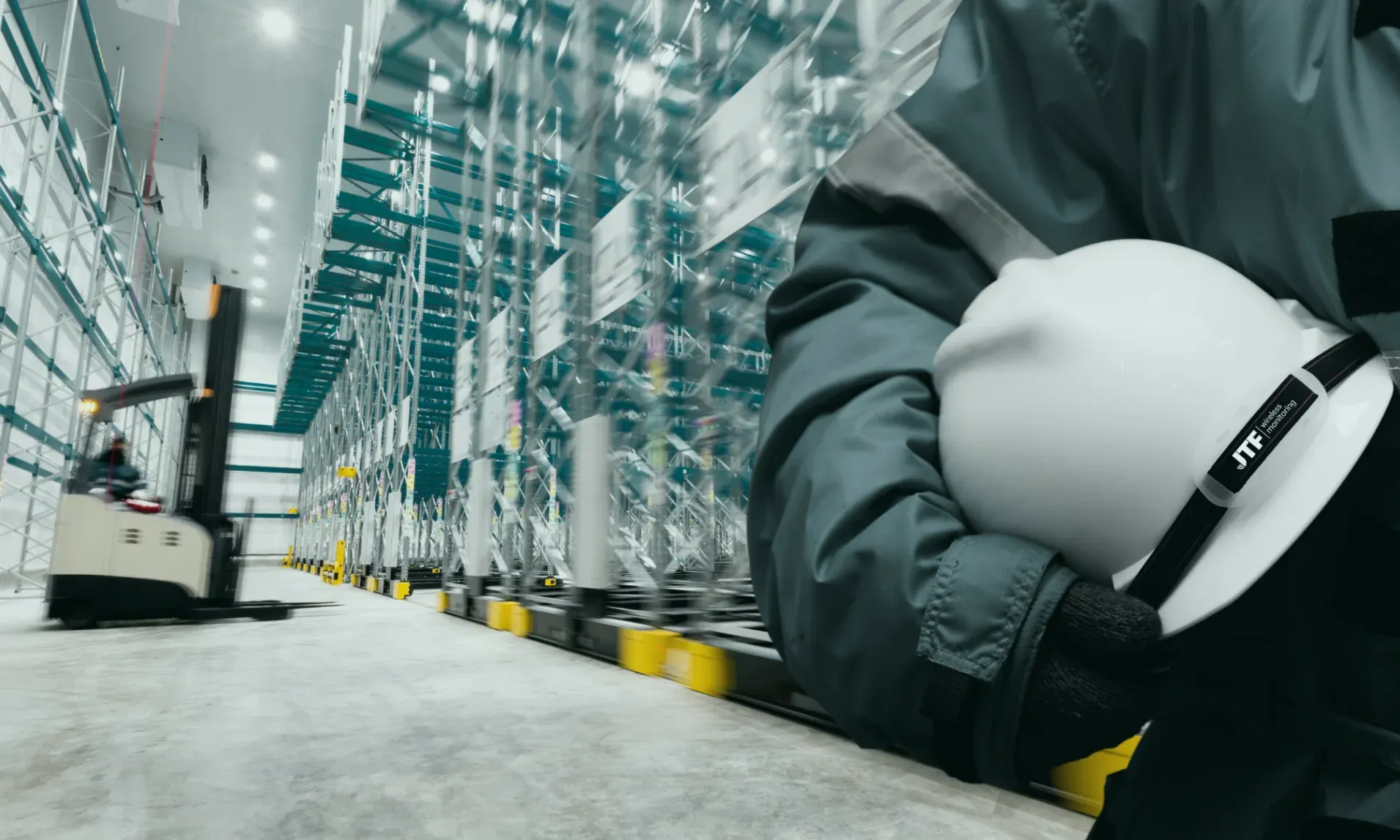
How JTF helps
Sealed Node+ sensors for cold rooms and freezers, probes for blast freezers and tanks, door sensors, and gateways built for warehouses and yards. Node+ embedded and Node+ PT100 are designed to meet EN 12830:2018, accuracy class 0.2.
SEN-AIN
Sealed wireless temperature sensor for fridges, freezers and stores.
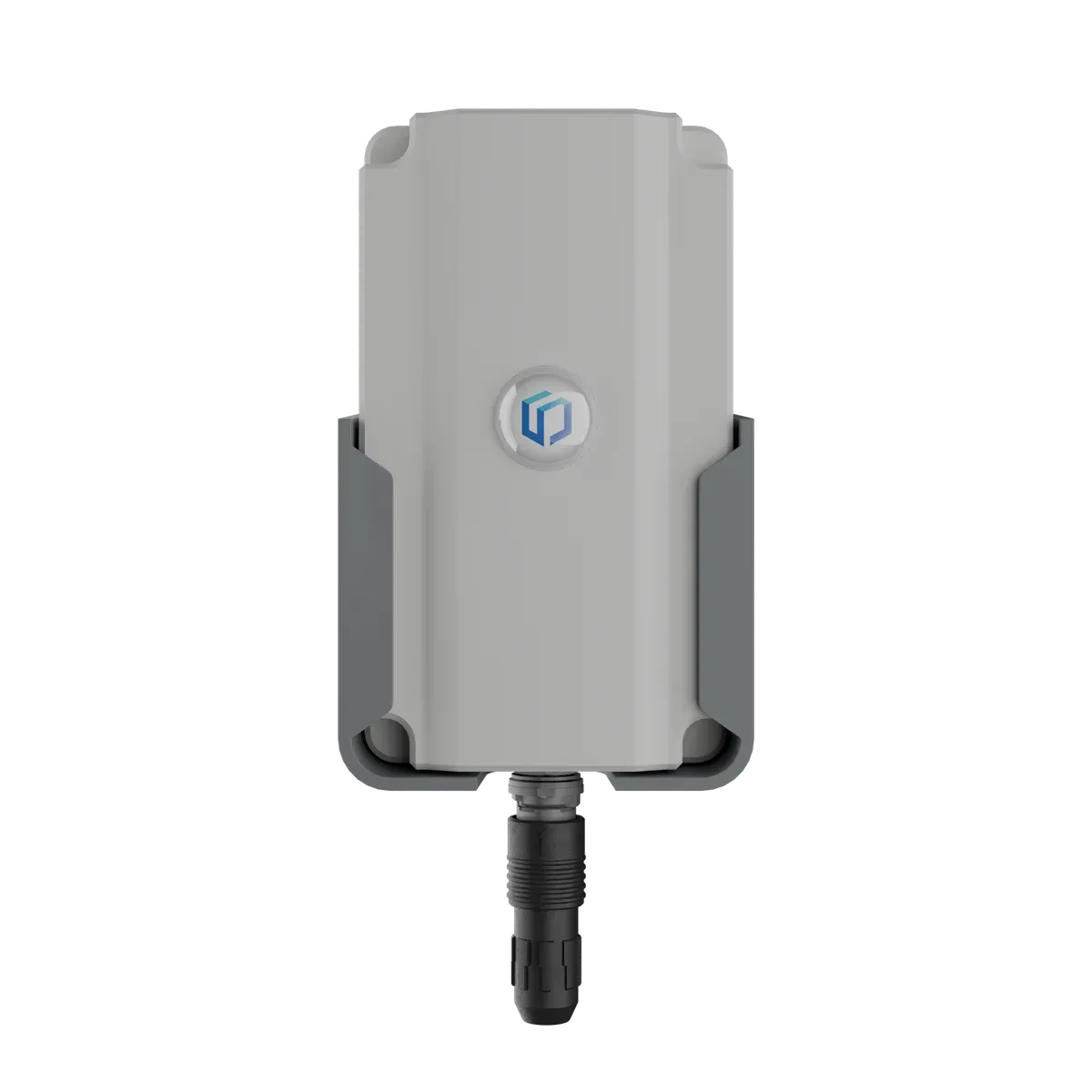
SEN-BEP
PT100 probe input for ultra-low freezers, tanks and medical fridges.
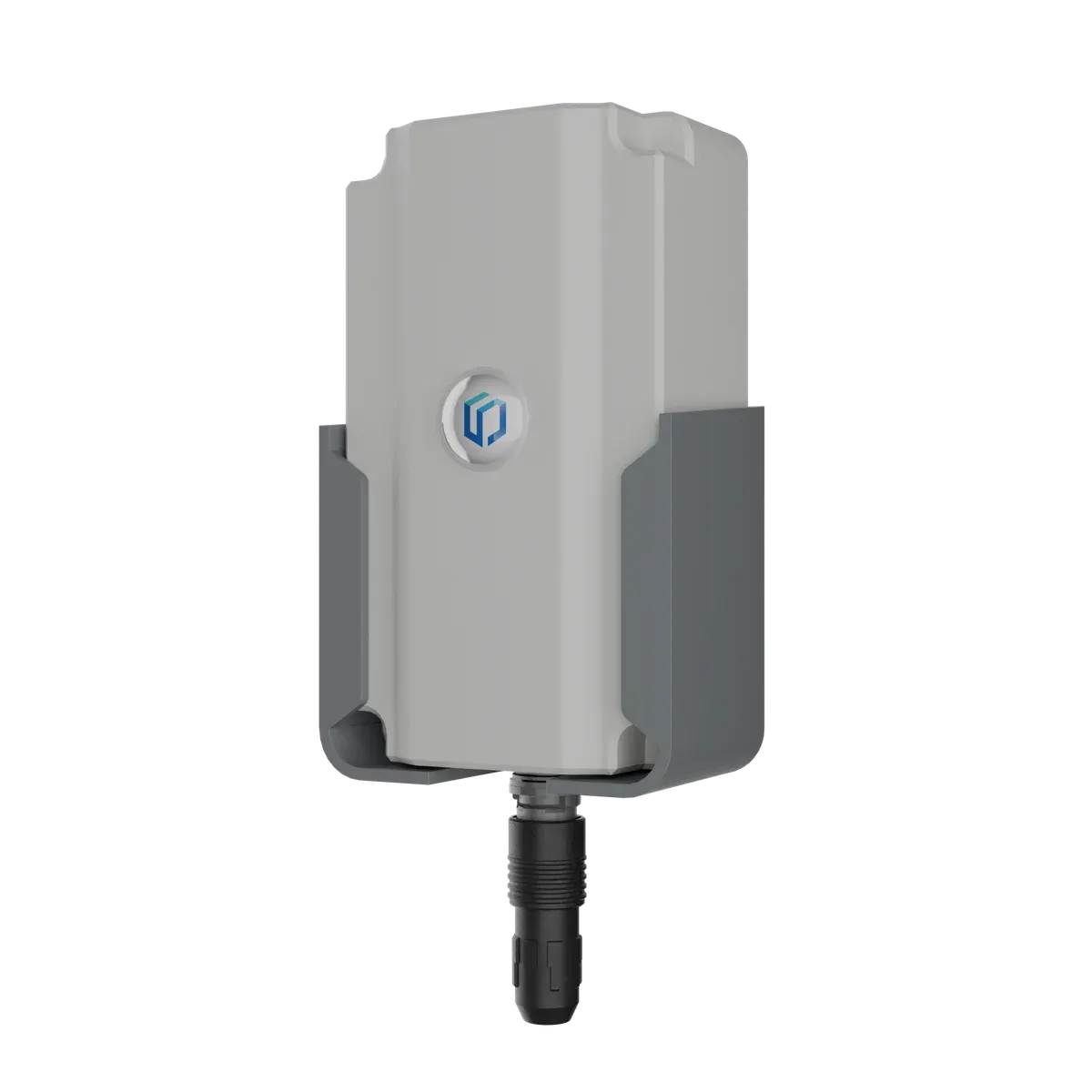
SEN-CED
Temperature and humidity through an external digital probe.
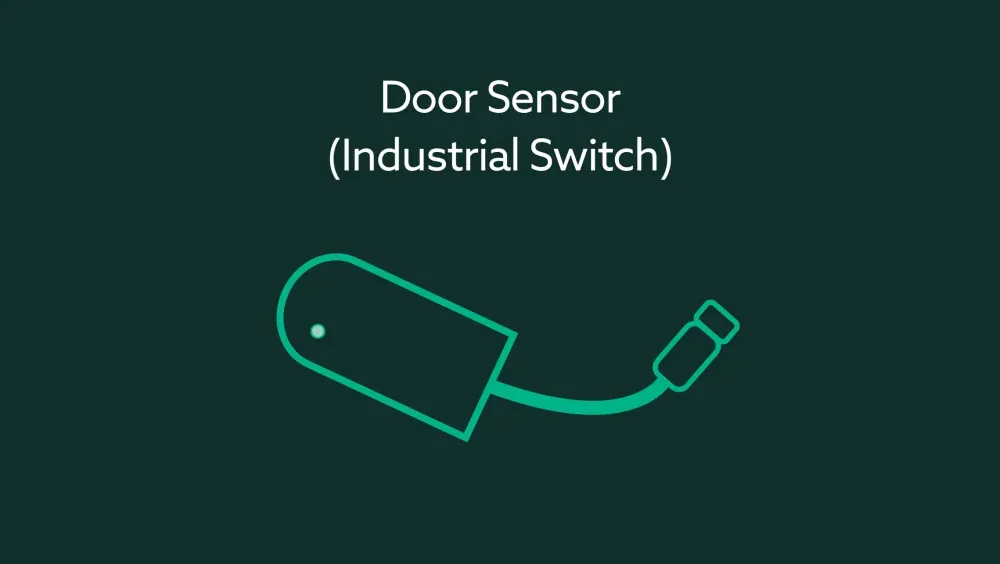
AC-DOOR-IND, AC-DOOR-2W
Dry contact door switches for the Node+ range.
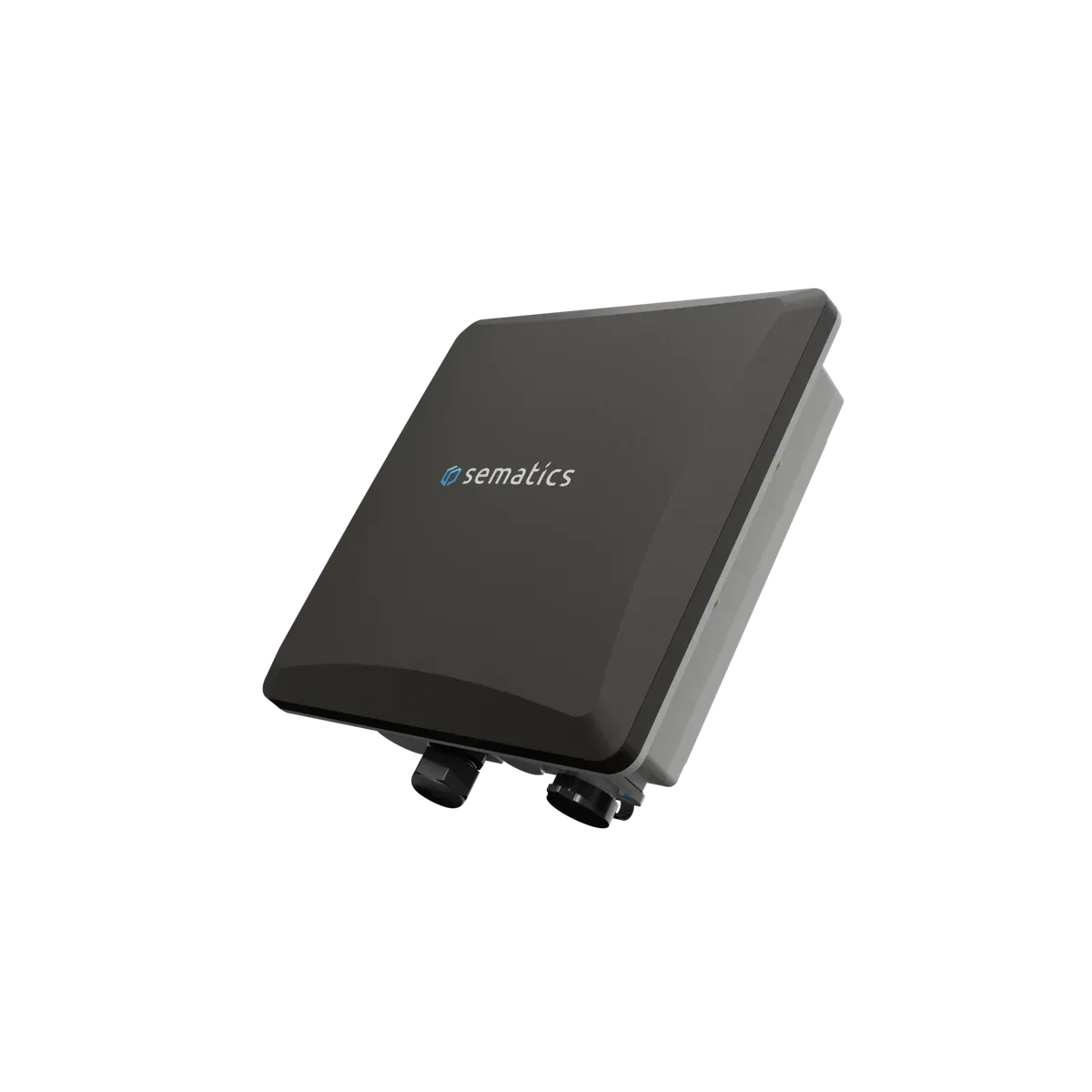
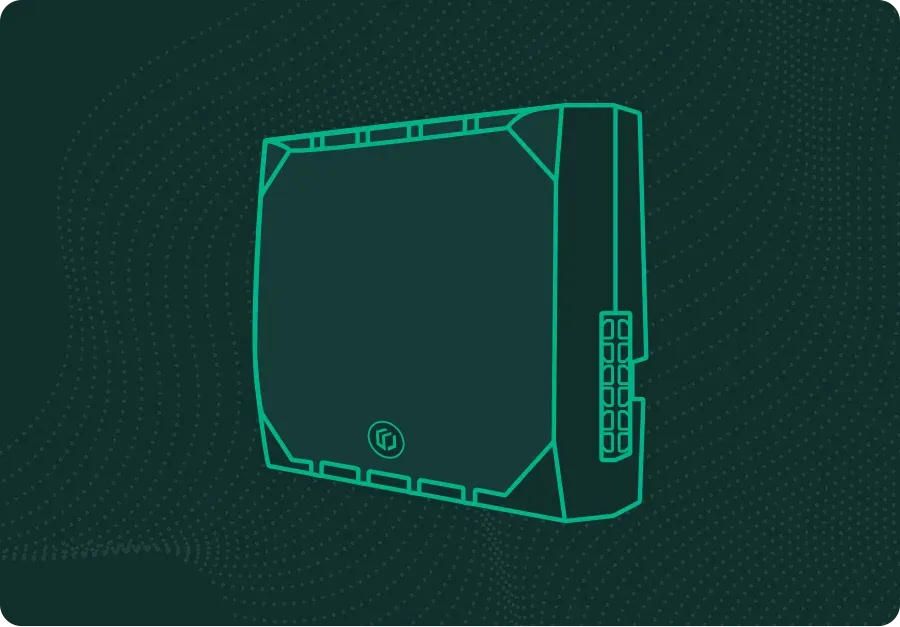
Hard-wired tracker with inputs for ignition, doors and probes.
Our food guidance
Food Safety Issue 9 and Storage and Distribution Issue 4, clause by clause.
Read the guidanceWhere the probes go, and how often to map.
Read the guidance−18 °C, the tolerances and EN 12830 recorders.
Read the guidanceMince, poultry, meat, fish and the mixed chilled store.
Read the guidanceThe legal ceiling, the advice figure and your own limit.
Read the guidanceBRCGS, the law, the FSA and retailer codes side by side.
Read the guidance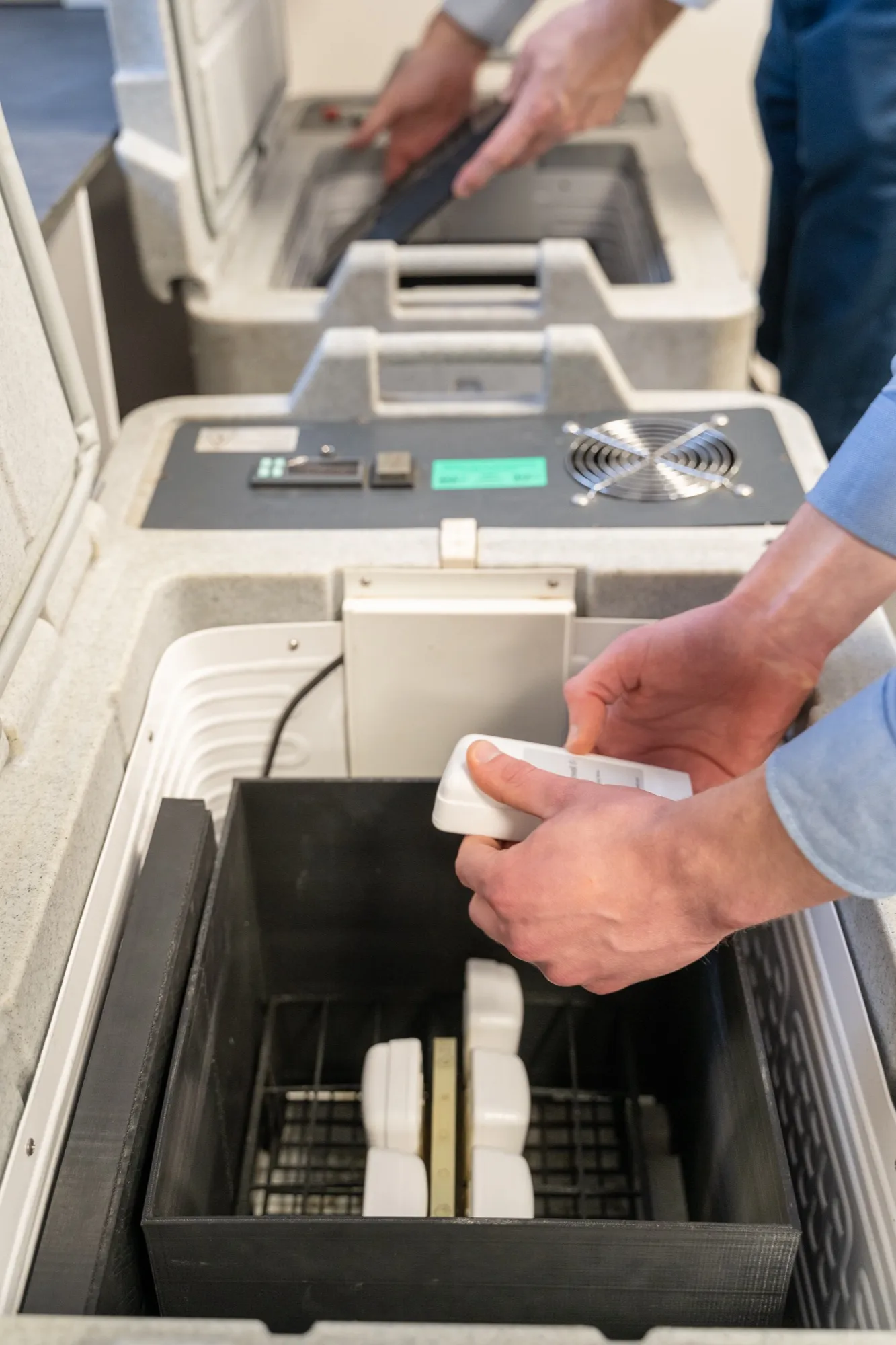
Food and cold storage
99%
optimal temperature performance at Nestlé's UK warehouse, with 100% data completeness
Regulation: Nestlé quality and compliance requirements
Read the Nestlé UK & IRE storyServices for this sector
Wireless sensors, alarms that reach a person and an audit trail of who acted.
Explore the serviceA managed study, from protocol to report, with probe positions you can defend.
Explore the serviceTemperature calibration in our UKAS accredited calibration laboratory No. 10723, or on your site.
Explore the serviceDesign, installation, training and engineer cover from one UK team.
Explore the serviceFree checklist
Chill, frozen and hot holding limits, tolerances, time rules and record periods for England, Wales, Northern Ireland, Scotland and Ireland, on one PDF. Every answer behind it is in our food temperature guidance, with its source.
Questions
Not in every case. It accepts recording equipment with alarms or recorded manual checks. Auditors and retail customers increasingly expect continuous records, and a manual check can't catch an overnight failure.
Yes. Each site keeps its own limits and alarm routes, and head office sees every site on one record. One 25-site food distributor sees Over 95% optimal performance on JTF, many sites higher.
BRCGS asks for a frequency based on risk and gives no figure. Our recommendation: map each controlled store at commissioning, after any change to layout or refrigeration, and at least every three years. Temperature mapping is a JTF managed service: we plan, run and report the study, then place the monitoring at the hot and cold spots it finds.
Not if the delay is right. We set each store's delay from its own defrost and door recovery data, so a normal defrost is recorded but doesn't page anyone, and a defrost that doesn't finish still does. Our frozen food guidance gives the figures we start from.
Yes, on the same platform as the store, so you can show an auditor or customer the temperature of a load from dispatch to delivery. See food and beverage transport.
Reviewed by Jake Farrow, Managing Director, on 19 October 2026.
20-minute compliance check
In 20 minutes we go through your stores, vehicles, alarms and calibration with you. You get the gaps in writing. No product tour.