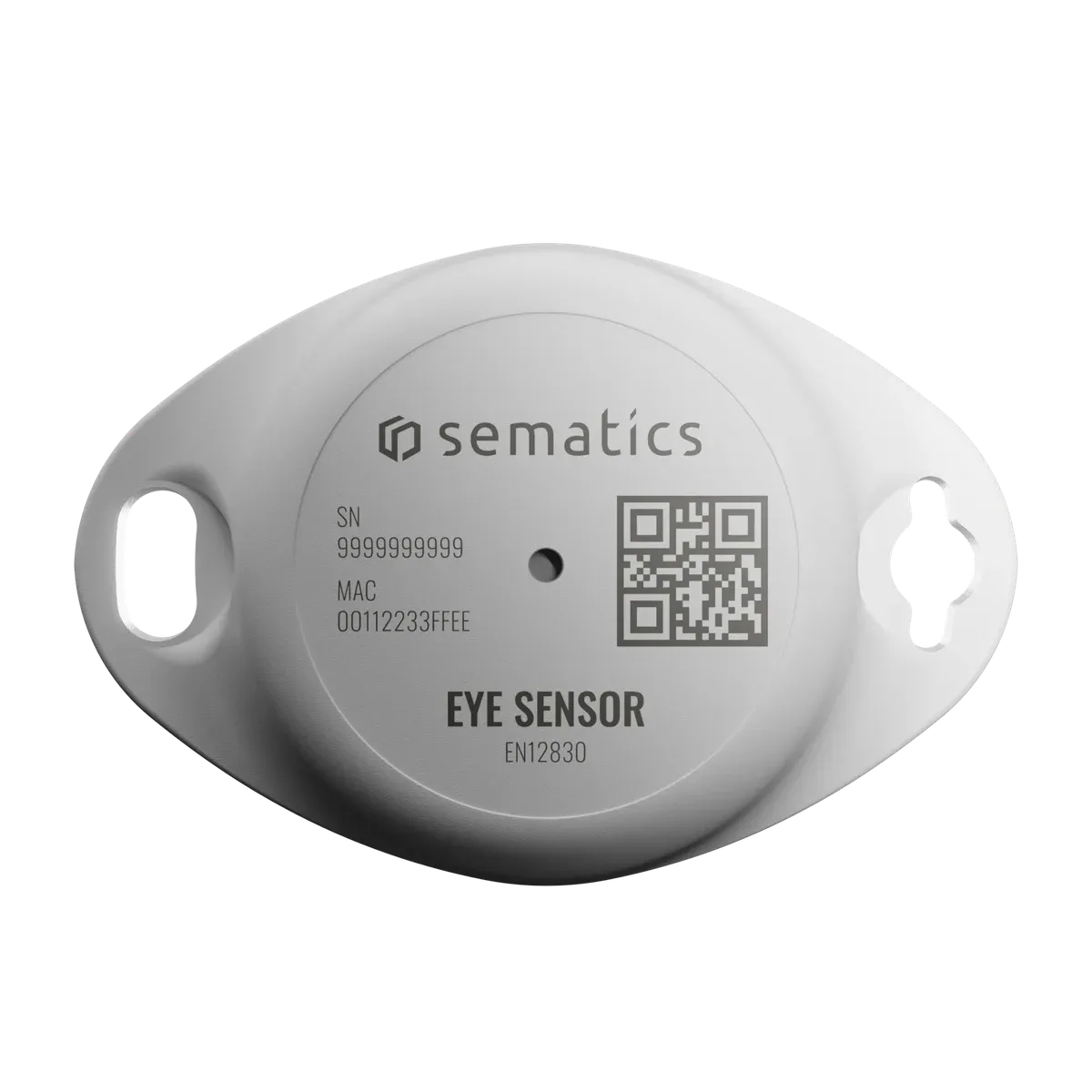
SEM-BLE-Eye
Eye sensor
Bluetooth temperature, humidity, movement and door sensor.
- Bluetooth
- Temperature
- Humidity
- Movement
Specs Spec on request
UKAS accredited calibration laboratory No. 10723
For chilled and frozen food and drink delivery fleets
For UK-only deliveries, the evidence your customer or EHO wants is the journey record: pre-cool, loading time and each compartment's temperature. We fit Bluetooth sensors in each compartment, read them through the vehicle tracker, and put the journey on the same record as your cold store.
3.6°C
Within range · 0.0 to 5.0 °C
16.9°C
Within range · 8.0 to 25.0 °C
What your customer, auditor or EHO asks
BRCGS clause numbers are checked against the published standards; the wording is paraphrased.
Vehicles and containers able to keep food at appropriate temperatures and allow those temperatures to be monitored, with effective separation between loads.
Read the guideIn England, Wales and Northern Ireland, chilled food may be above 8 °C 'for a limited period only' while it is transferred between premises and a vehicle. The burden of proof is yours. Scotland has no such defence.
Read the guide−18 °C, with brief rises in transport never warmer than −15 °C. EN 12830 recording instruments in the vehicle and at least a year of dated records; local distribution may use an easily visible thermometer instead.
Read the guideEquipment classes and food temperatures where loading and unloading are in two different states. A UK-only fleet doesn't need ATP certificates, though many customers specify ATP-class vehicles.
Read the guideVehicles validated in all weather at minimum and maximum load, load-space temperature recorded automatically (or by recorded manual checks where there is no such equipment), pre-cooling verified, and drivers alerted when the load leaves its limits.
Read the guideTemperature-controlled transport holds product within specification at minimum and maximum load, shown by data loggers or by records of refrigeration operation.
Read the guideOn a multi-drop route
Door open 18 minutes at a slow drop: driver alert raised, load recovered, journey record handed to the product owner.
What we monitor
Chilled and frozen compartments each with their own sensor, limit and alarm, whether the load is chilled food, dairy, drinks or frozen.
Door status from the Eye sensors, so a long drop shows up on the record with the temperature it caused.
Where each vehicle is and where it has been, so a reading always has a place and a time.
Battery asset trackers for trailers and containers that spend time away from a tractor unit.
How JTF helps
Eye sensors read temperature, humidity and doors in each compartment and report through the vehicle tracker, so there is no wiring to the load space. The Eye sensor comes in an EN 12830 variant; ask us for its documents if you carry quick-frozen food.
SEM-BLE-Eye
Bluetooth temperature, humidity, movement and door sensor.
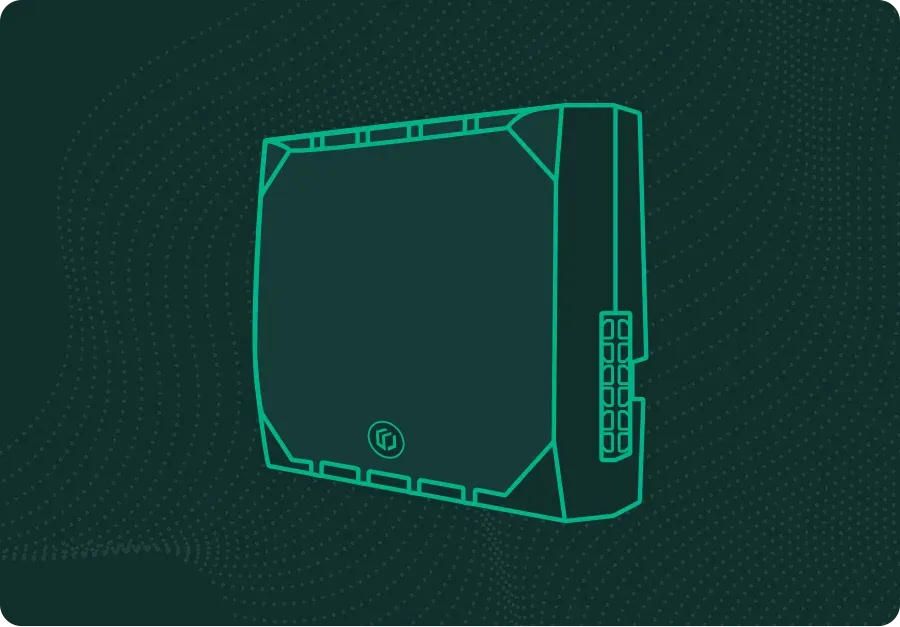
Hard-wired tracker with inputs for ignition, doors and probes.
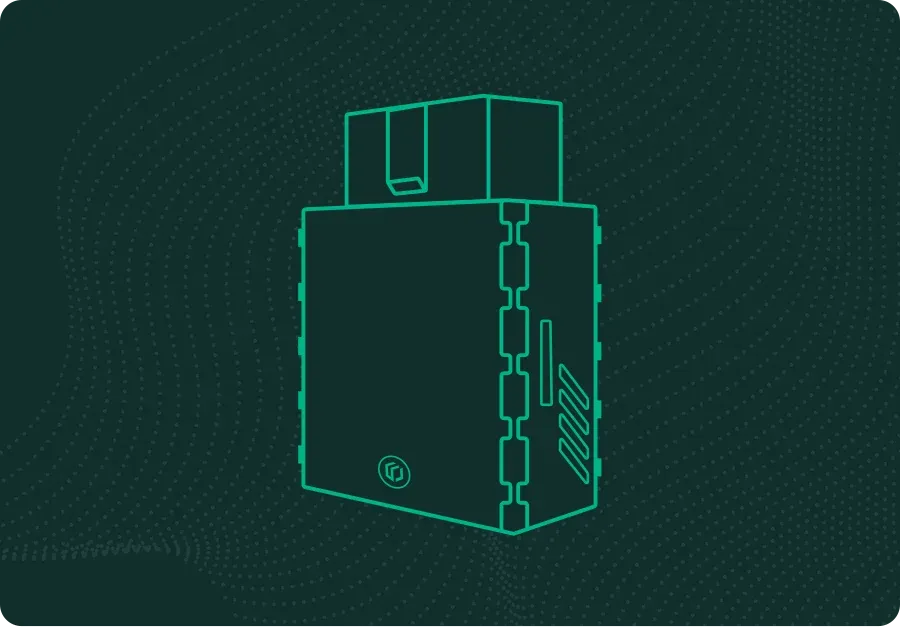
GPS tracker that plugs into the OBD II port in seconds.
Battery tracker for trailers, containers and unpowered assets.
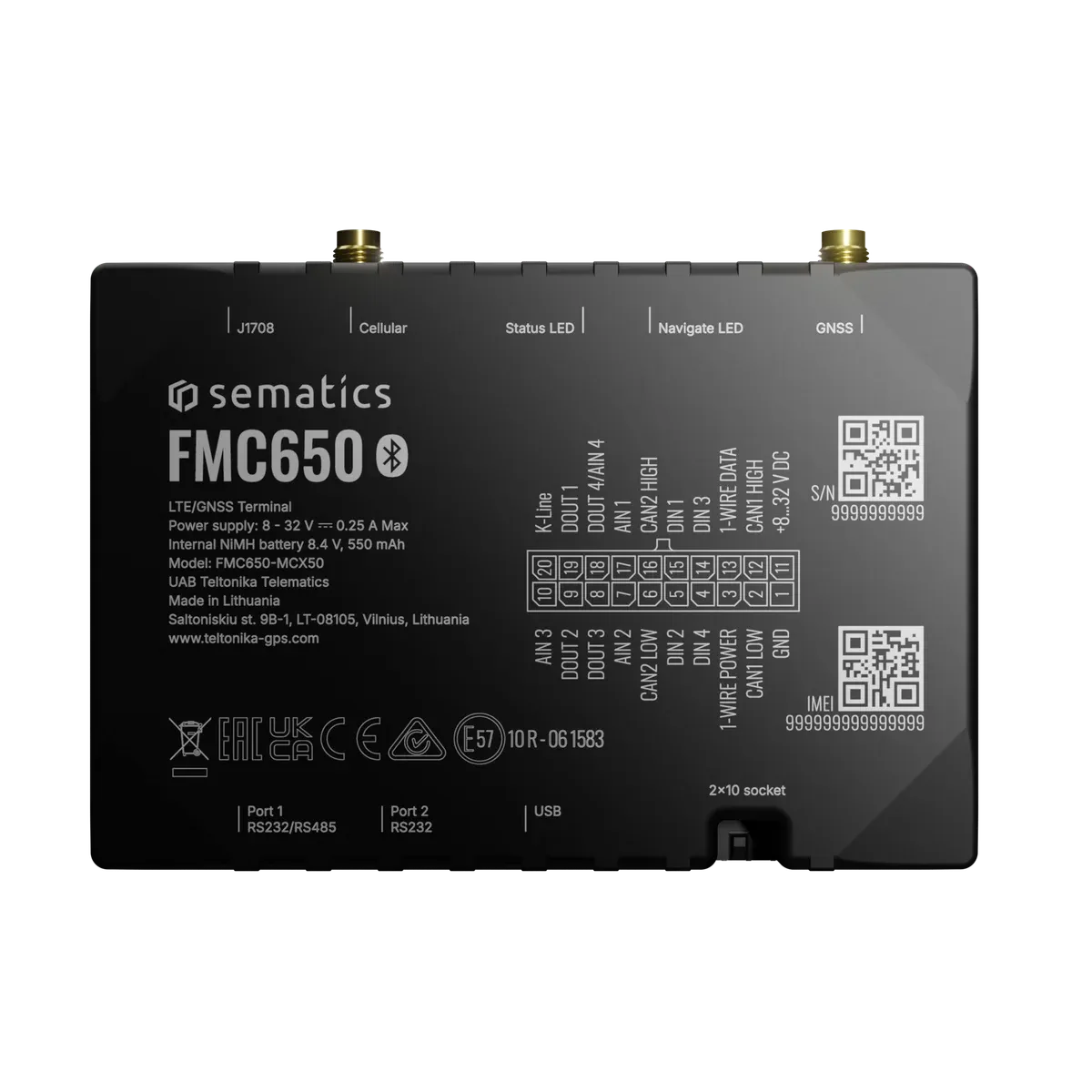
FMC650
GNSS tracker with ports for up to two vehicle cameras.
Our food guidance
Hygiene law, ATP, pre-cooling, loading and the journey record.
Read the guidance−18 °C, the −15 °C transport tolerance and EN 12830 recorders.
Read the guidanceUnit records or load-space records: where the standards differ.
Read the guidanceFood Safety 4.16 and Storage and Distribution 5.4.
Read the guidanceFood transport
20 billion+
messages stored by the Sematics platform
Regulation: Food hygiene temperature control and customer audits
Read the case study storyServices for this sector
Wireless sensors, alarms that reach a person and an audit trail of who acted.
Explore the serviceTemperature calibration in our UKAS accredited calibration laboratory No. 10723, or on your site.
Explore the serviceDesign, installation, training and engineer cover from one UK team.
Explore the serviceWhat each tier covers and how fast we respond, in plain words.
Explore the serviceFree checklist
Chill, frozen and hot holding limits, tolerances, time rules and record periods for England, Wales, Northern Ireland, Scotland and Ireland, on one PDF. Every answer behind it is in our food temperature guidance, with its source.
Questions
No. ATP applies where loading and unloading are in two different states. UK-only deliveries follow hygiene law, 853/2004 for approved meat, the quick-frozen rules and your customer's specification, and many customers specify ATP-class vehicles anyway.
Our recommendation: log every compartment every 5 minutes on the road, with a driver alert when the load space has been outside its limit for more than 10 minutes, longer only where door-open recovery data justify it. For frozen loads, alert when the air has been warmer than −15 °C for more than 15 minutes.
It depends on the standard. BRCGS Food Safety 4.16.3 accepts records of refrigeration operation; Storage and Distribution 5.4.2 asks for load-space recording, or recorded manual checks where there is no such equipment. A sensor in the load space meets both.
Each vehicle has its own alarm limits and delays. A vehicle's alarms can be held while it is parked off duty inside a set location, such as its depot or a driver's home, and each alarm has a delay set from door-open recovery, so a normal drop is recorded without paging anyone.
Yes. Journey records are logged as the vehicles run, so you can show a customer the temperature of their load from dispatch to delivery, and Sematics can pass the data to your delivery or proof-of-delivery system through its API.
Reviewed by Jake Farrow, Managing Director, on 19 October 2026.
Next step
How many vehicles, trailers and boxes, what they carry and which systems you use. We'll quote in writing, and say what integrates with your delivery and proof-of-delivery systems today.
or call 0121 794 8092