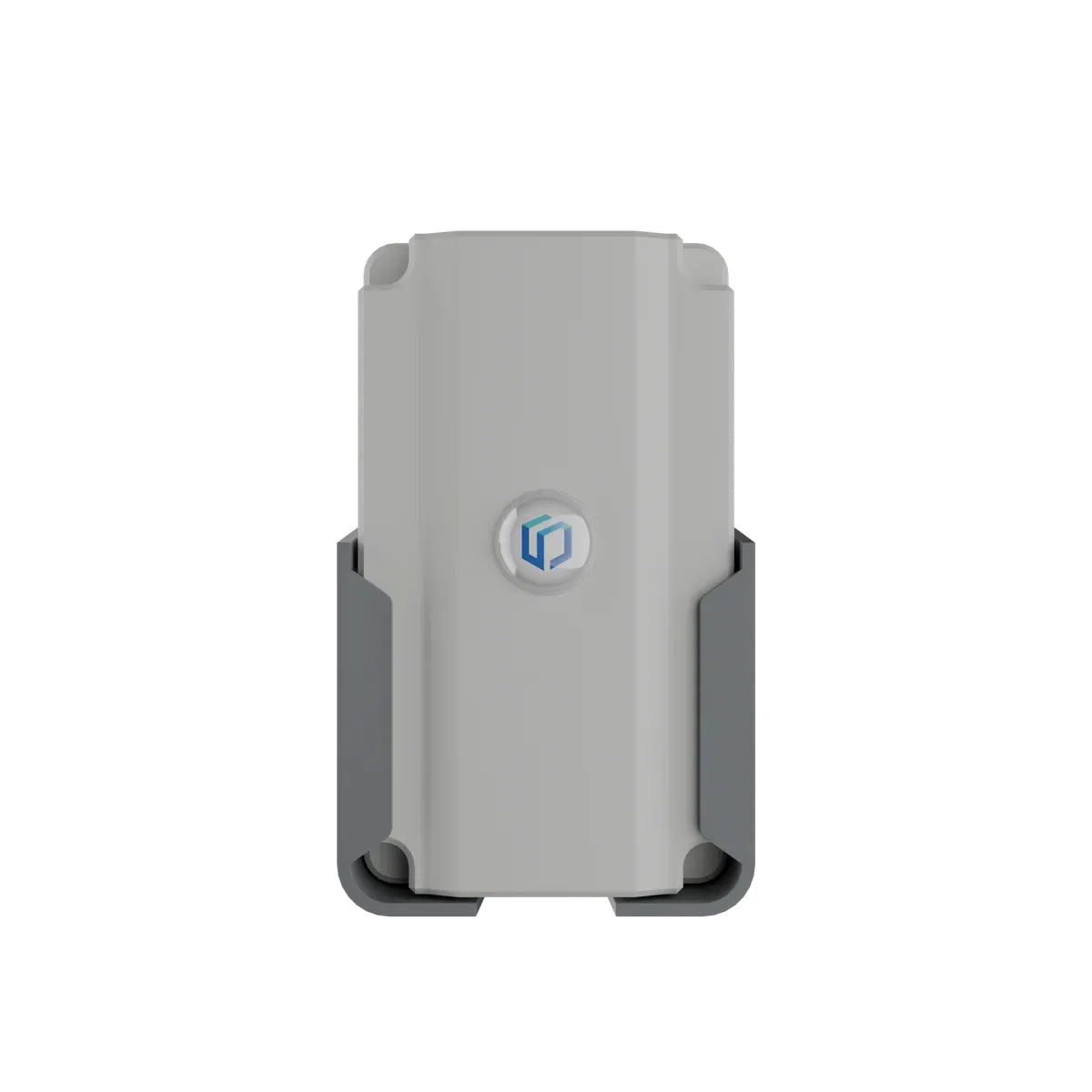
SEN-AIN
Node+ Embedded
Sealed wireless temperature sensor for fridges, freezers and stores.
- LoRaWAN
- Temperature
Specs Datasheet
UKAS accredited calibration laboratory No. 10723
For food retailers, from a single shop to a multi-store estate
On a shop floor, temperature is a defence you have to prove: in England, Wales and Northern Ireland, chilled food on display may go above 8 °C once, for under four hours, and only if you can show the time. We monitor display chillers, freezers and back-of-store cold rooms, so head office sees every store and each store sees its own.
3.6°C
What the EHO and your auditors ask
Chilled food kept at 8 °C or below in England, Wales and Northern Ireland, with one period of under four hours above it allowed on display. The defence is yours to prove. Scotland has no four-hour defence.
Read the guideQuick-frozen food at −18 °C or colder. A retail display cabinet may run warmer, but never warmer than −12 °C, and needs at least one easily visible thermometer.
Read the guideThe defence that you 'took all reasonable precautions and exercised all due diligence'. Records are the core of it.
Read the guideThe FSA's example of a hygiene score that on its own caps a business at a 4: fridges 'generally below 8°C but some evidence of rising above such as when busy', with some lapses in monitoring. Scotland runs the FHIS (Pass or Improvement Required) instead.
Read the guideWhat we monitor
If you have a Primary Authority partnership, ask it for assured advice on your limits and records, then show the same record in every store.
Each case to its own limit, with alarm delays set from its defrost and restocking pattern.
Well freezers, upright cabinets and back-of-store freezers, alarmed before stock gets near the legal limit.
Chill and freezer rooms with door contacts, because a door left open after a delivery is the usual cause.
Head office and area managers see every store; each store manager sees their own units and alarms.
How JTF helps
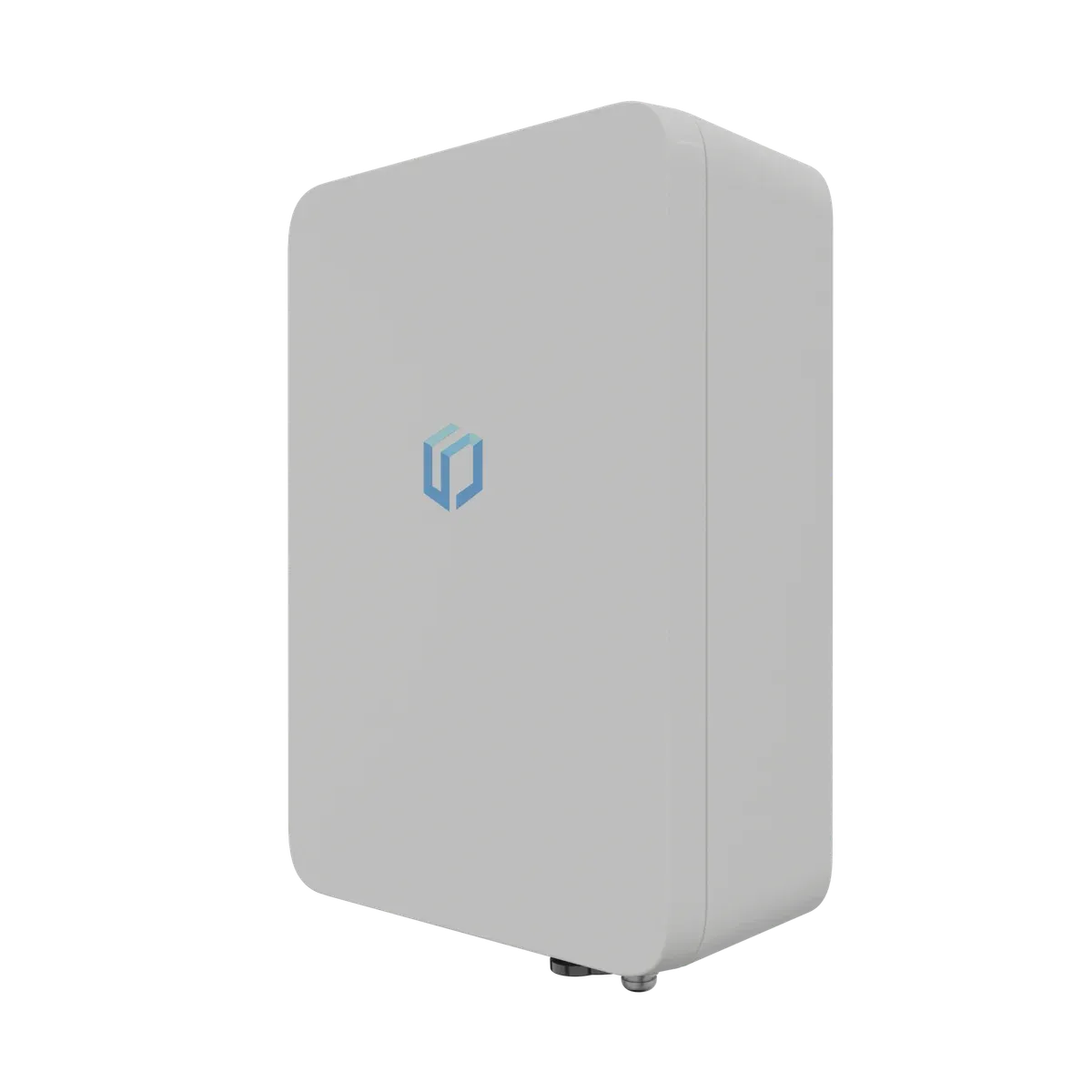
Sealed Node+ sensors for cases and cold rooms, small Bluetooth Eye sensors (through a Bluetooth gateway) for single fridges, and compact gateways for a shop's back office. Node+ embedded is designed to meet EN 12830:2018, accuracy class 0.2.
SEN-AIN
Sealed wireless temperature sensor for fridges, freezers and stores.
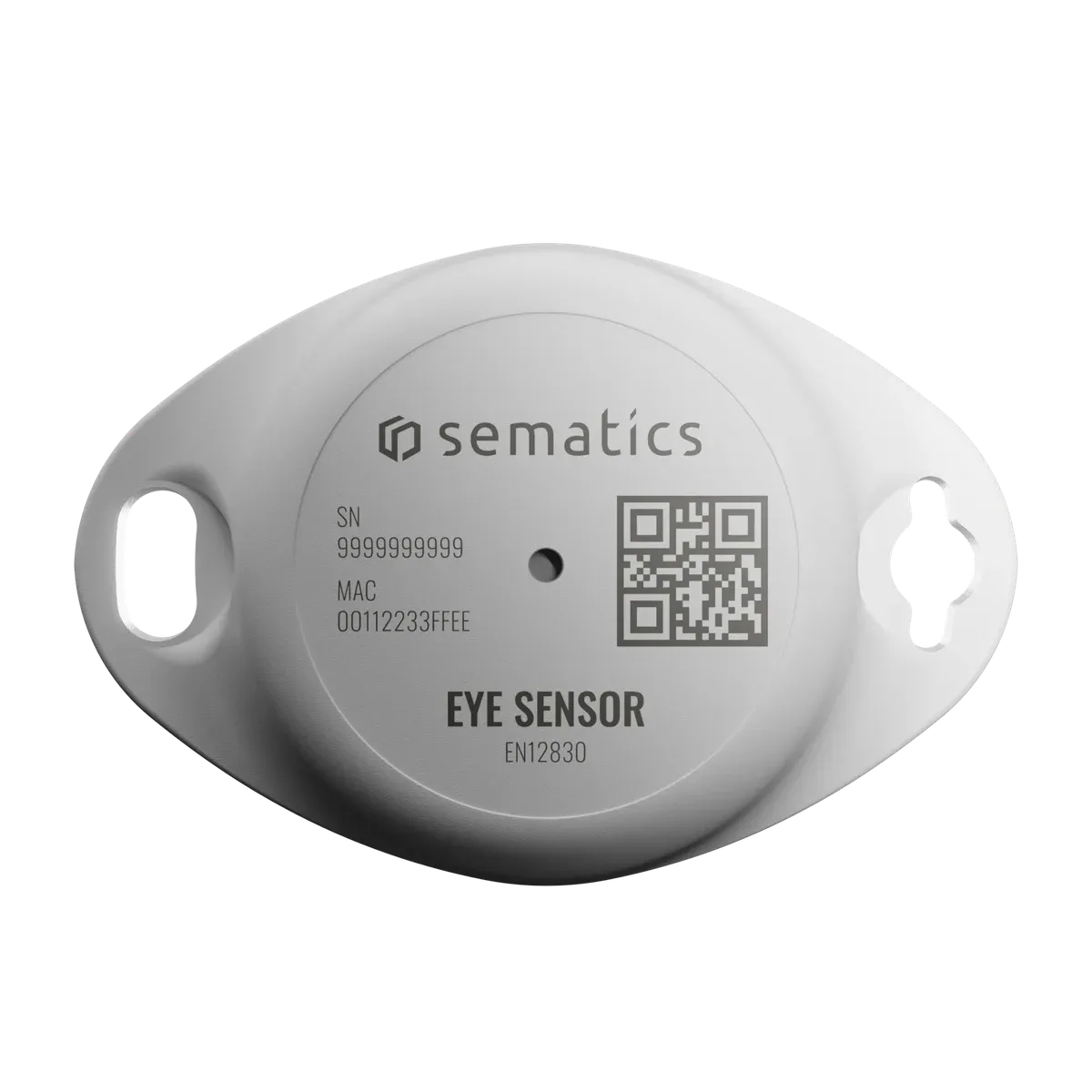
SEM-BLE-Eye
Bluetooth temperature, humidity, movement and door sensor.
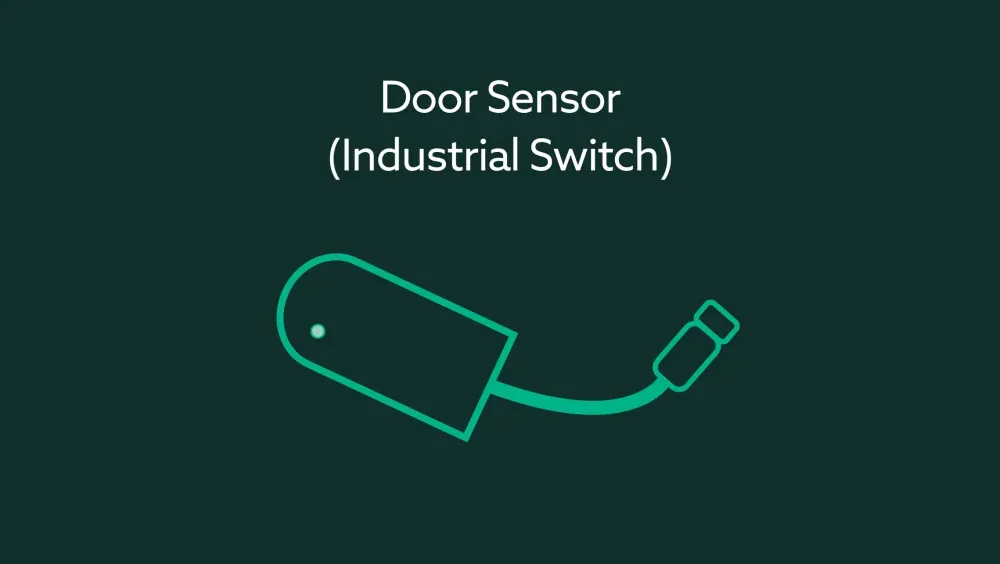
AC-DOOR-IND, AC-DOOR-2W
Dry contact door switches for the Node+ range.
Our food guidance
63 °C, the two-hour and four-hour rules, and goods-in.
Read the guidanceThe legal ceiling, the advice figure and your own limit.
Read the guidance−18 °C and the −12 °C retail cabinet tolerance.
Read the guidanceEngland, Scotland, Ireland, the FSA and retailer codes side by side.
Read the guidanceMince, poultry, meat and fish, and the figures behind them.
Read the guidanceThe FSAI figures and Irish law, for stores on both islands.
Read the guidanceServices for this sector
Wireless sensors, alarms that reach a person and an audit trail of who acted.
Explore the serviceTemperature calibration in our UKAS accredited calibration laboratory No. 10723, or on your site.
Explore the serviceDesign, installation, training and engineer cover from one UK team.
Explore the serviceWhat each tier covers and how fast we respond, in plain words.
Explore the serviceFree checklist
Chill, frozen and hot holding limits, tolerances, time rules and record periods for England, Wales, Northern Ireland, Scotland and Ireland, on one PDF. Every answer behind it is in our food temperature guidance, with its source.
Questions
No. SFBB asks for fridges and chilled display to be checked at least once a day, starting with your opening checks. That is the published minimum; a sensor closes the overnight gap and keeps the record for you.
Our recommendation: work to 5 °C, or the product limit if it is tighter. Alert when the air has been above your working limit for more than 30 minutes, so a restock or defrost doesn't page anyone, and raise an action alarm before the food can reach 8 °C, the legal limit in England, Wales and Northern Ireland.
Quick-frozen food must be at −18 °C or colder, with a retail display cabinet allowed to run warmer but never above −12 °C. Other frozen food has no fixed figure in law; SFBB for retailers calls −18 °C good practice.
Yes. Each store keeps its own units, limits and alarm routes, and head office and area managers see every store on one record, with scheduled reports for each store or the whole organisation.
Calibration for every sensor we supply: traceable to national standards as standard, or UKAS accredited where you need it (temperature in our own UKAS accredited calibration laboratory No. 10723; other parameters through accredited partners).
Reviewed by Jake Farrow, Managing Director, on 19 October 2026.
20-minute compliance check
In 20 minutes we go through your chillers, freezers, cold rooms, alarms and records with you. You get the gaps in writing. No product tour.