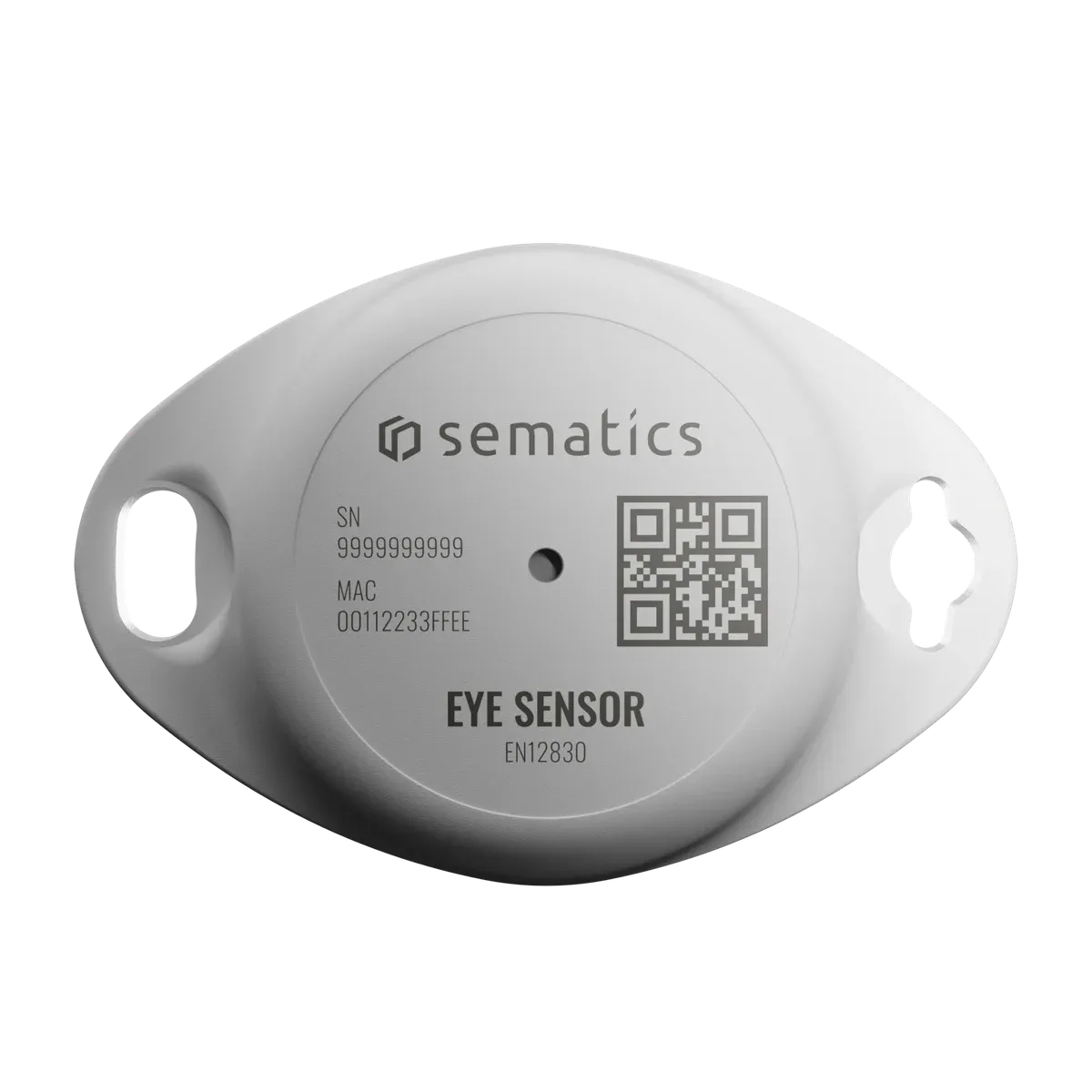
SEM-BLE-Eye
Eye sensor
Bluetooth temperature, humidity, movement and door sensor.
- Bluetooth
- Temperature
- Humidity
- Movement
Specs Spec on request
UKAS accredited calibration laboratory No. 10723
For restaurants, pubs, hotels, contract caterers, and school and care kitchens
SFBB asks you to check fridges and chilled display at least once a day. A sensor watches them around the clock and keeps the record for your next inspection. For smaller sites we use small, lower-cost Bluetooth sensors, the same type we fit in delivery vehicles, so one kitchen doesn't need a warehouse system.
3.2°C
What the EHO asks
Fridges and chilled display checked at least once a day, starting with your opening checks, with a diary and a 4-weekly review. Northern Ireland uses Safe Catering and Scotland CookSafe.
Read the guideChilled food at 8 °C or below and hot food at 63 °C or above in England, Wales and Northern Ireland, with one under-four-hour and one under-two-hour allowance on service or display. Each allowance is a defence you have to prove.
Read the guideThe FSA's example of a hygiene score that on its own caps a business at a 4: fridges 'generally below 8°C but some evidence of rising above such as when busy', with some lapses in monitoring. Scotland runs the FHIS (Pass or Improvement Required) instead.
Read the guideNo chill temperature in law, no two-hour or four-hour defence, and reheated food must reach 82 °C unless that would spoil it. FSS's CookSafe recommends running chills at 5 °C or below.
Read the guideWhat we monitor
Each unit with its own limit and an alarm to the person on shift, so an overnight failure is found before service, not during it.
Chill rooms, freezer rooms and drinks cellars, with door contacts where a door left open is the usual cause.
Counters and display fridges, where the four-hour rule lives and the time has to be on the record.
Contract caterers and groups see every site on one record; school and care kitchens each keep their own.
How JTF helps
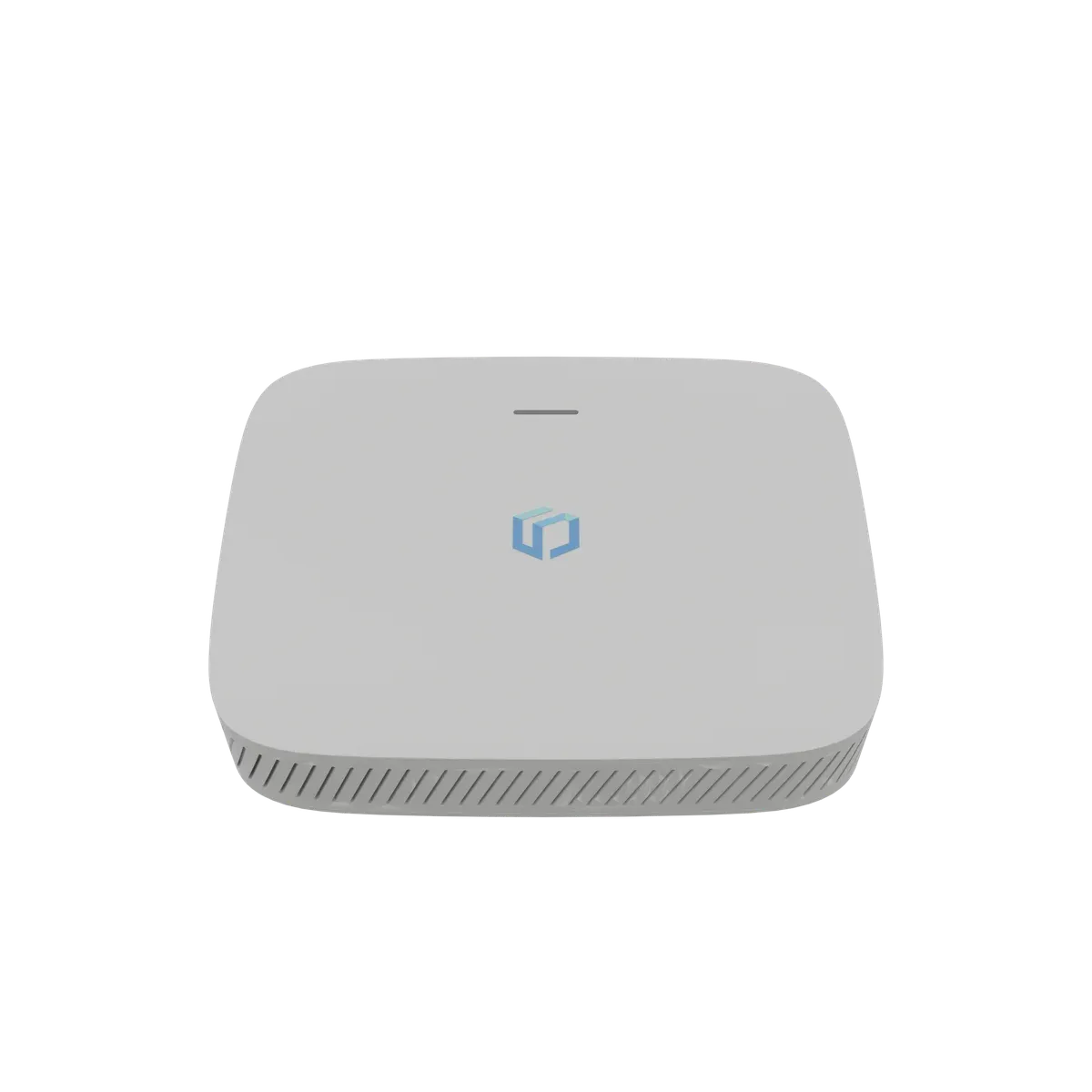
For a single kitchen or a small site, Bluetooth Eye sensors are the lower-cost way in: small, with a battery that lasts up to 5 years, reporting to Sematics through a compact Bluetooth gateway on site. Larger kitchens and caterers with many sites suit Node+ sensors and gateways. Both report to the same Sematics record, alarms and reports.
SEM-BLE-Eye
Bluetooth temperature, humidity, movement and door sensor.
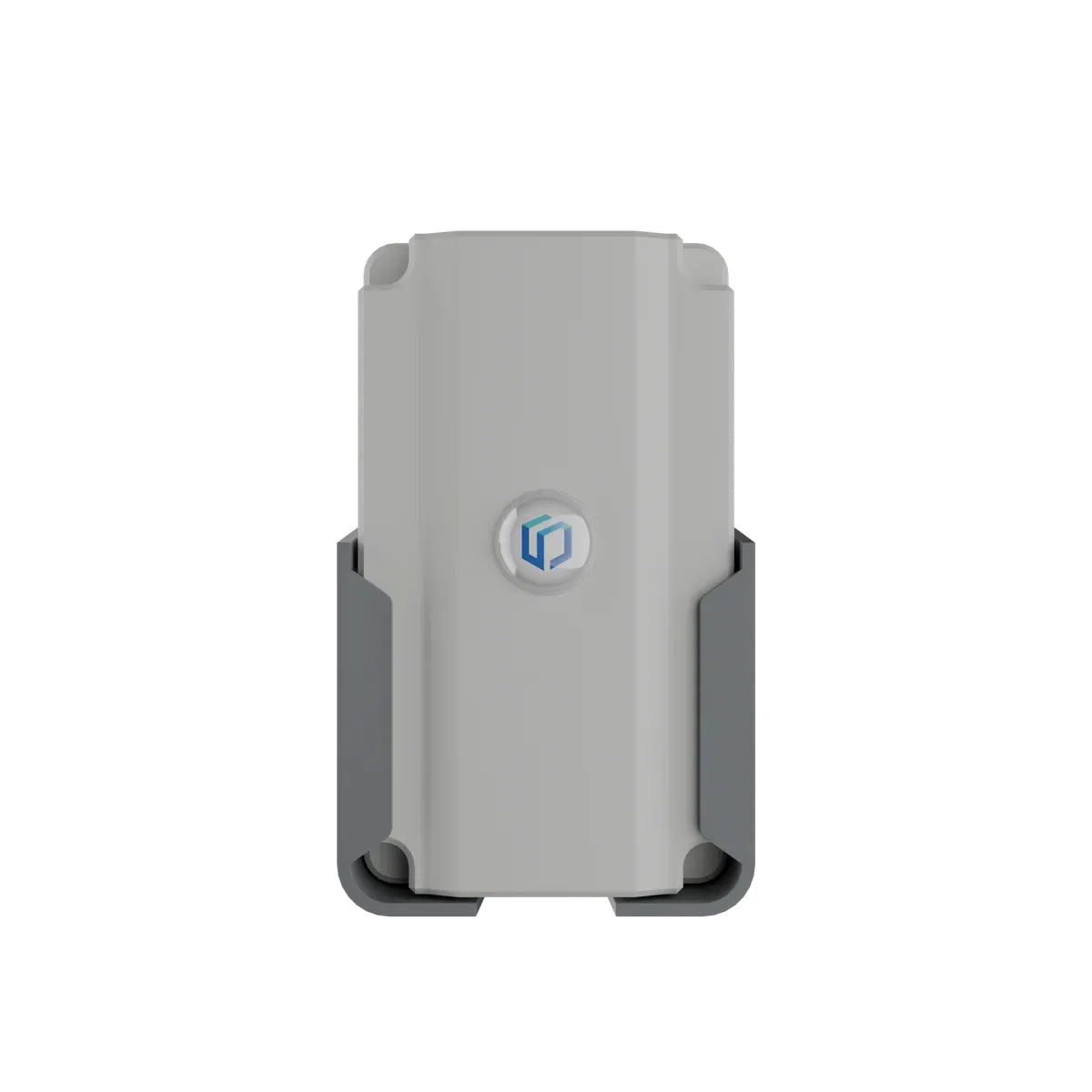
SEN-AIN
Sealed wireless temperature sensor for fridges, freezers and stores.
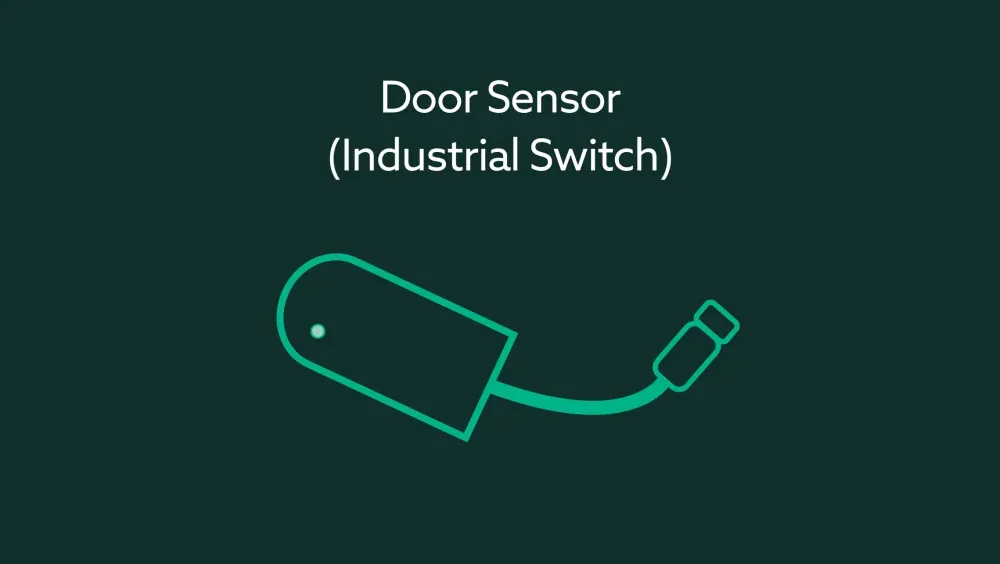
AC-DOOR-IND, AC-DOOR-2W
Dry contact door switches for the Node+ range.
Our food guidance
63 °C, the two-hour and four-hour rules, cooling and goods-in.
Read the guidanceThe legal ceiling, the advice figure and your own limit.
Read the guidanceSFBB, Safe Catering, CookSafe and the FSAI side by side.
Read the guidanceThe FSAI figures for kitchens in Ireland.
Read the guidanceServices for this sector
Wireless sensors, alarms that reach a person and an audit trail of who acted.
Explore the serviceTemperature calibration in our UKAS accredited calibration laboratory No. 10723, or on your site.
Explore the serviceDesign, installation, training and engineer cover from one UK team.
Explore the serviceWhat each tier covers and how fast we respond, in plain words.
Explore the serviceFree checklist
Chill, frozen and hot holding limits, tolerances, time rules and record periods for England, Wales, Northern Ireland, Scotland and Ireland, on one PDF. Every answer behind it is in our food temperature guidance, with its source.
Questions
Yes. SFBB's diary and 4-weekly review are the published structure for small businesses. A sensor gives you the readings behind it, and catches the overnight failure a once-a-day check misses.
Yes. Most of our sites are food manufacturers, cold stores, distributors and healthcare, and our case studies come from them. The sensors, platform and alarms are the same ones those sites use, and the Bluetooth sensors suit a smaller kitchen.
In England it depends on your risk category under the Food Law Code of Practice: from every 6 months for the highest-risk businesses to about every 2 years for lower-risk ones, and very low-risk businesses may go longer between inspections. Whenever they come, the record is ready.
The law doesn't say. Our recommendation: probe hot-held food at the start of service and at least every 90 minutes, and every hour in hospitals, care homes and nurseries, and record it. If food is found below 63 °C, count the time from the last reading at or above 63 °C.
Calibration for every sensor we supply: traceable to national standards as standard, or UKAS accredited where you need it (temperature in our own UKAS accredited calibration laboratory No. 10723; other parameters through accredited partners).
Reviewed by Jake Farrow, Managing Director, on 19 October 2026.
20-minute compliance check
In 20 minutes we go through your fridges, freezers, checks and records with you. You get the gaps in writing. No product tour.