Pathology, blood transfusion and mortuary

Temperature records ready for your UKAS assessment

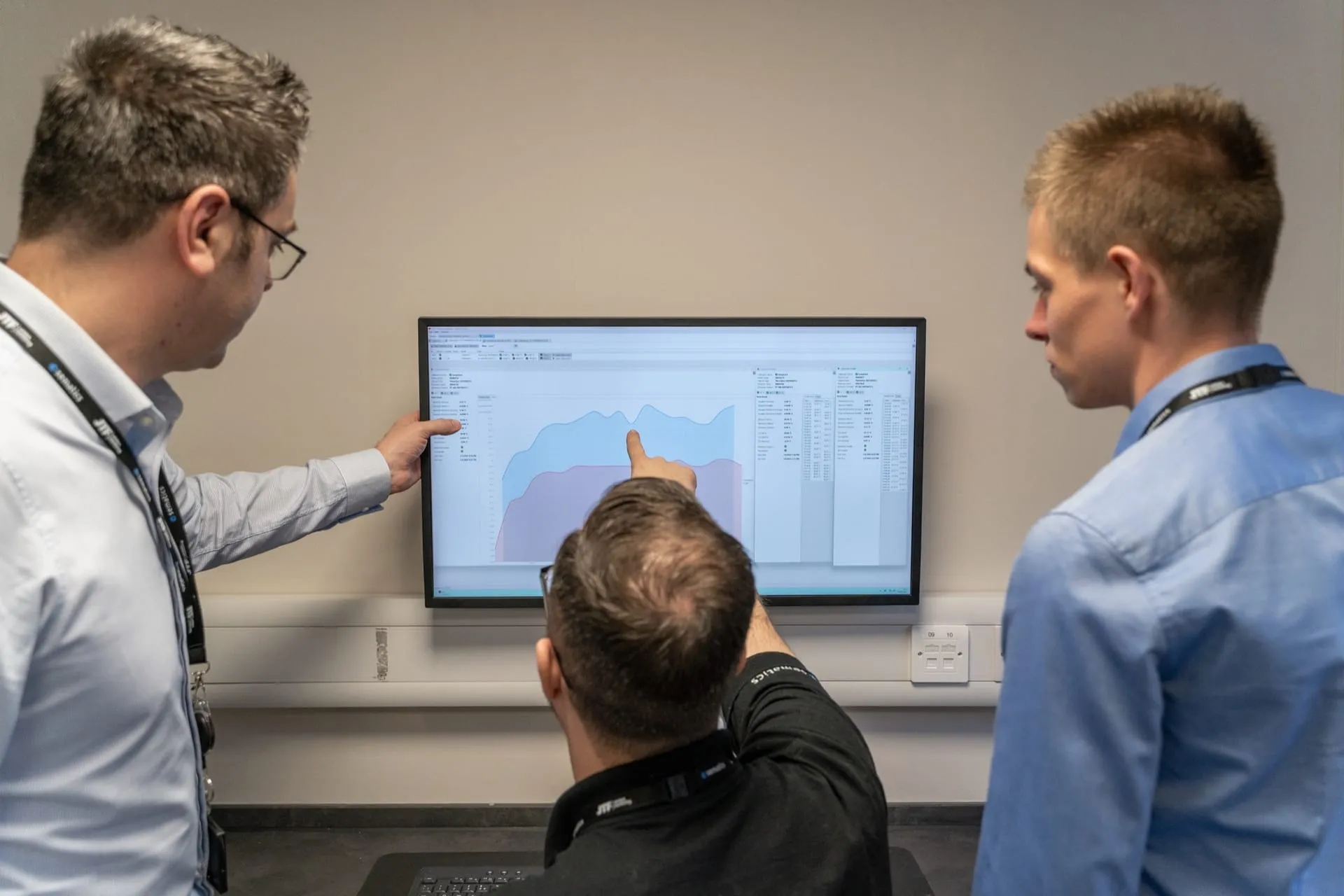
A pathology department is assessed by UKAS against ISO 15189, reports to the MHRA each year on blood and is inspected on a risk basis, and is licensed by the HTA for the mortuary. At Wye Valley NHS Trust, the blood transfusion team shows assessors and inspectors the Sematics record at every visit.

  • Storage limits, alarms and actions on one record
  • Traceable or UKAS calibration for every sensor we supply (UKAS accredited calibration laboratory No. 10723 for temperature)
  • Blood fridges, plasma freezers, platelet incubators and body stores
Reagent fridge, biochemistry03:27

4.9°C

Within range · alarm limits 2.0 to 8.0 °C. Example reading.

What inspectors ask you

Three regimes in one department

These are the parts of each that touch temperature.

For your next assessment

Limits that allow for uncertainty, one record for three regimes

One control, three regimes
ControlISO 15189BSQR (with the Red Book)HTA
Temperatures monitored and recorded✓✓✓
Continuous recording with alarms (our recommendation)·✓·
Calibration traceable to national standards✓✓✓
Excursion investigation on record✓✓✓
Records reviewed and signed off✓✓·

A summary to plan with, not official guidance.

Blood bank fridge: alarm limits inside the rangeIllustrative
  • Required range for red cells, 2 to 6 °C
  • Alarm limits set inside it as a guard band

Setting alarms inside the range by the probe's uncertainty applies the same guard-band idea UKAS LAB 48 uses for conformity decisions.

Wye Valley NHS Trust: daily checks
Without automated monitoringManual checks every two hours
With SematicsA few minutes each morning

From the trust's published case study.

1.1 min

median time to acknowledge an alarm at one NHS health board in 2026

What we monitor

Every unit the assessor might open

  • Blood bank fridges and plasma freezers

    Limits set to the component, alarms to the on-call biomedical scientist, and every excursion recorded with the action taken.

  • Platelet incubators and agitators

    Held at 20 to 24 °C (a core temperature of 22 ±2 °C) with continuous gentle agitation, as the Red Book asks (7.4.1), with the temperature alarm history the MHRA inspector asks for.

  • Reagent fridges, freezers and lab rooms

    Storage for reagents, controls and samples, plus room temperature where analysers need it.

  • Mortuary body stores

    Fridges and freezers monitored around the clock, so a failure is found before it becomes an incident.

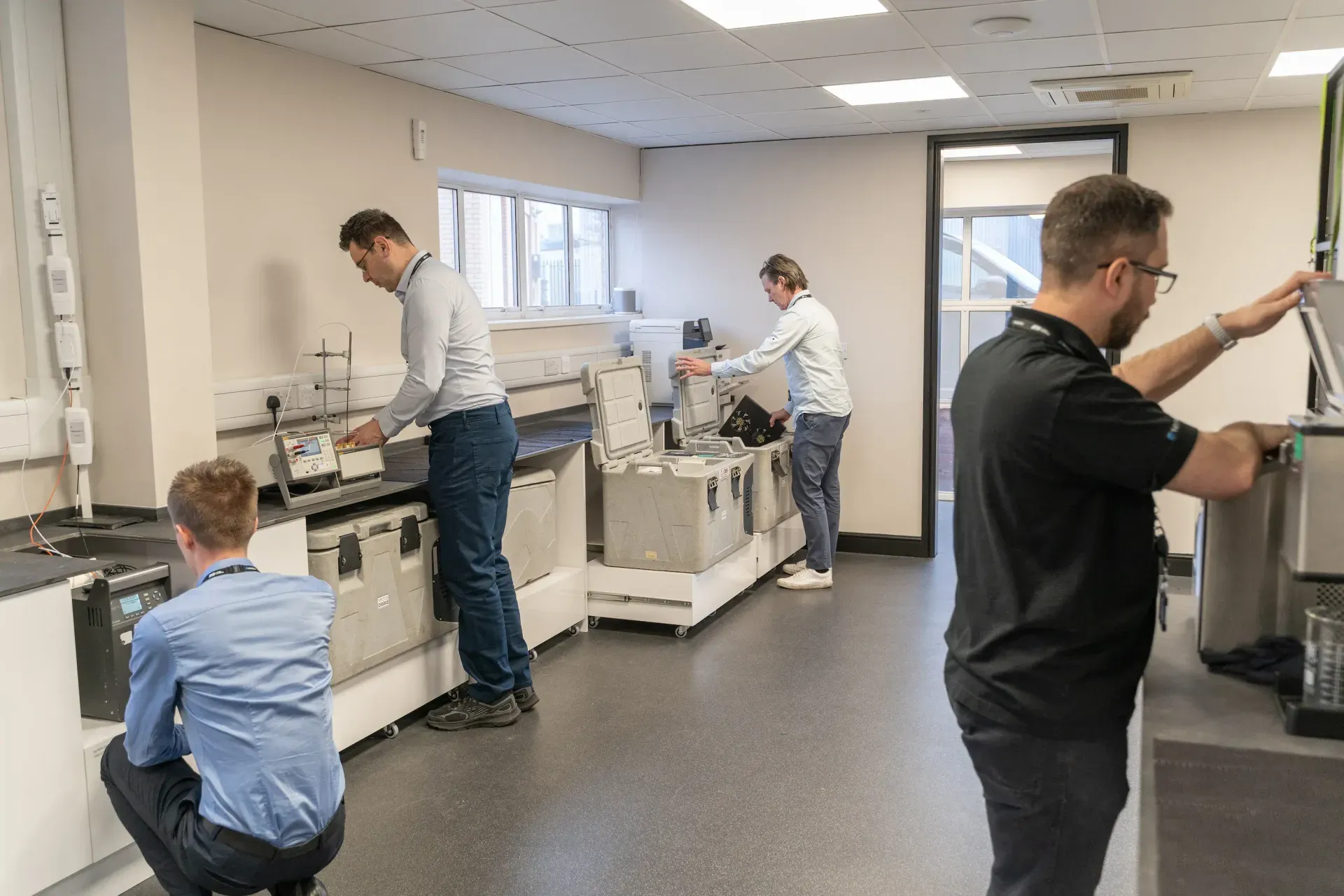
JTF engineers working in the Tamworth calibration lab and workshop
Temperature calibration in our UKAS accredited calibration laboratory No. 10723 in Tamworth.

Healthcare and NHS

Every

visit by assessors and inspectors at Wye Valley NHS Trust includes a look at the Sematics record

“They always come and they always look at the Sematics system and they're always happy with what we do.”

Sophie Protheroe, Blood Transfusion Section Manager, Wye Valley NHS Trust

Regulation: ISO 15189 and UKAS assessments

Read the Wye Valley NHS Trust story

Free checklist

ISO 15189 temperature checklist

One page on what a UKAS assessor looks for: storage conditions, equipment, calibration certificates and how you handle an excursion.

Download the checklist

Questions

What people in your sector ask us

What will a UKAS assessor ask about temperature?

Usually: how limits were set, what happens when an alarm goes off out of hours, who acted, and whether the sensors are calibrated with traceable certificates. The ISO 15189 explainer goes through it clause by clause.

Is your calibration UKAS accredited?

Our laboratory No. 10723 is UKAS accredited for temperature calibration, from −90 to +135 °C in a dry block and −35 to +40 °C in an air chamber, in the lab and on site. Other parameters go through accredited partners.

Can we see one blood unit's storage history for the MHRA?

Yes, together with your blood tracking or LIMS record. That shows which fridge a unit was in and when, and the monitoring record shows the conditions, alarms and actions for that fridge over that time.

We're moving labs. Can you help?

Yes. We can map the new rooms as a managed service, place the monitoring on the results and move sensors with the equipment, so your records don't break during the move.

Should our blood fridge product probe be in glycerol or water?

The BSQR and the Red Book name no medium. BS 4376-1:1991, the British Standard for building and testing blood refrigerators, puts the sensor for the temperature record in a thermal mass equal to 200 mL of water and does not mention glycerol, and we found no published evidence that glycerol represents blood better. We recommend water at 200 mL equivalent in a standardised container, or a validated block, tested in your own fridge. The evidence is in our guide to blood product simulants.

20-minute compliance check

How would your next UKAS assessment go on temperature?

In 20 minutes we go through storage, alarms, calibration and excursions with you, across pathology, blood and mortuary. You get the gaps in writing. No product tour.