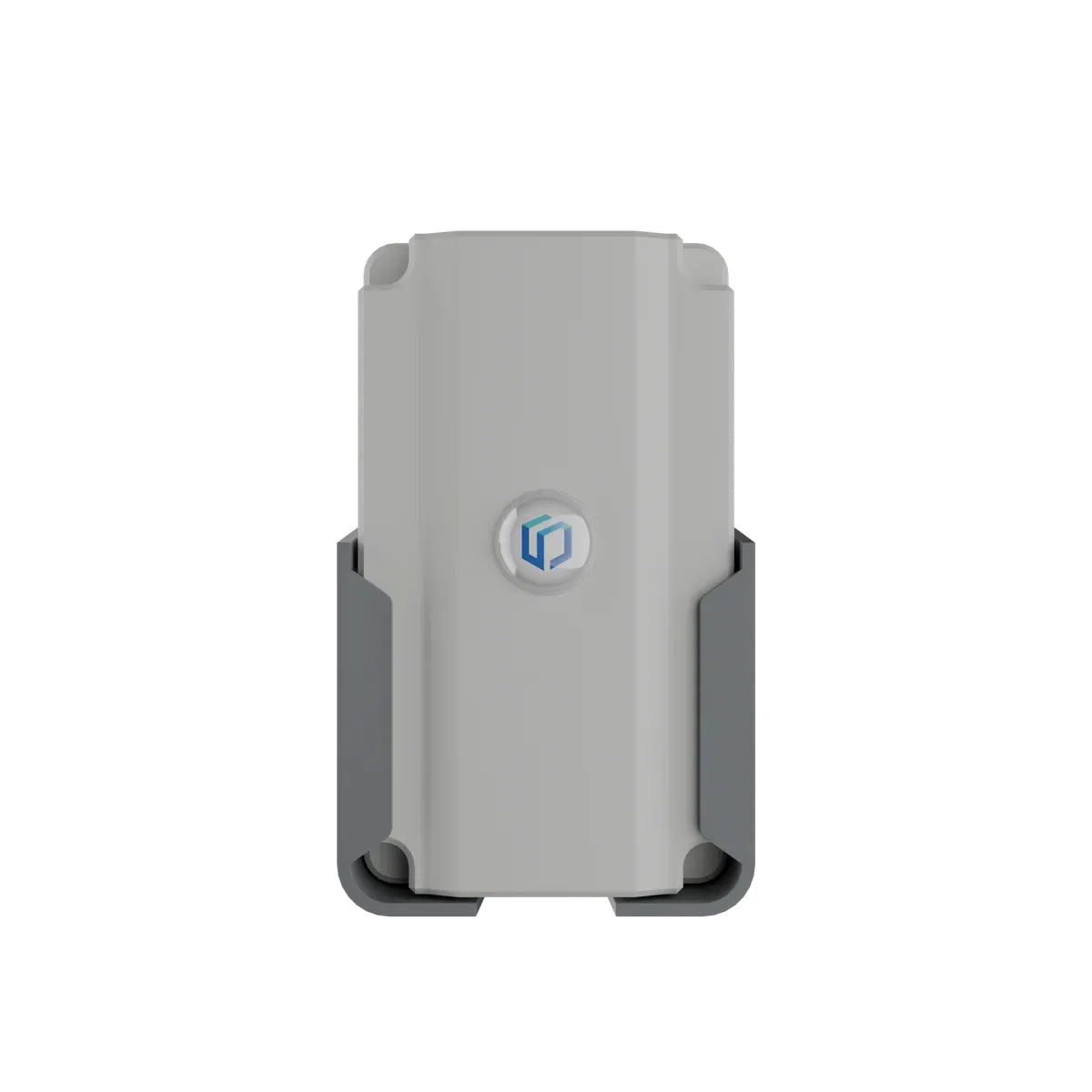
SEN-AIN
Node+ Embedded
Sealed wireless temperature sensor for fridges, freezers and stores.
- LoRaWAN
- Temperature
Specs Datasheet
UKAS accredited calibration laboratory No. 10723
For food and drink manufacturers and their technical teams
HACCP gives you the principle and leaves you the numbers: the limit, how often you monitor, the alarm and the record. BRCGS then asks to see monitoring that detects a loss of control and, wherever possible, warns in time to act. We monitor process rooms, chillers, blast chillers and cold stores, with alarms set around how each one runs.
2.9°C
What the auditor or EHO asks
BRCGS clause numbers are checked against the published Food Safety Issue 9; the wording is paraphrased.
Critical limits at critical control points, effective monitoring, corrective action, regular verification, and records in proportion to the business.
Read the guideMonitoring that detects loss of control and, wherever possible, gives information in time to act. Records carry the date, time and result, are signed, and are verified where appropriate; electronic records need evidence they were checked.
Read the guideWhere conditions can vary inside equipment critical to safety or quality, such as ovens, freezers and cold stores, it is validated and verified at a frequency based on risk and the equipment's performance.
Read the guideMeasuring devices listed, checked at a risk-based frequency, traceable where possible, with calibration uncertainty considered against critical limits.
Read the guideFood to be held chilled is cooled 'as quickly as possible' after heat processing. UK law gives no time, so your cooling step needs a validated profile of its own.
Read the guideFor a defined period that considers legal and customer requirements and shelf life, and at least shelf life plus 12 months.
Read the guideA CCP that holds up
100%
of alarms acknowledged at a global food manufacturer in 2026, with every expected reading received
What we monitor
Chilled production and high-care areas, each with its own limit, alarm route and record.
The step where things go wrong between cooking and chilling, alarmed early on the curve so a slow chill is seen in time.
Raw materials, work in progress and finished goods, with door contacts and mapping to place the probes.
Where product waits for a vehicle, with time outside control on the record.
Energy monitoring on refrigeration plant and the incoming supply, charted beside the temperatures the plant holds. See energy monitoring.
How JTF helps
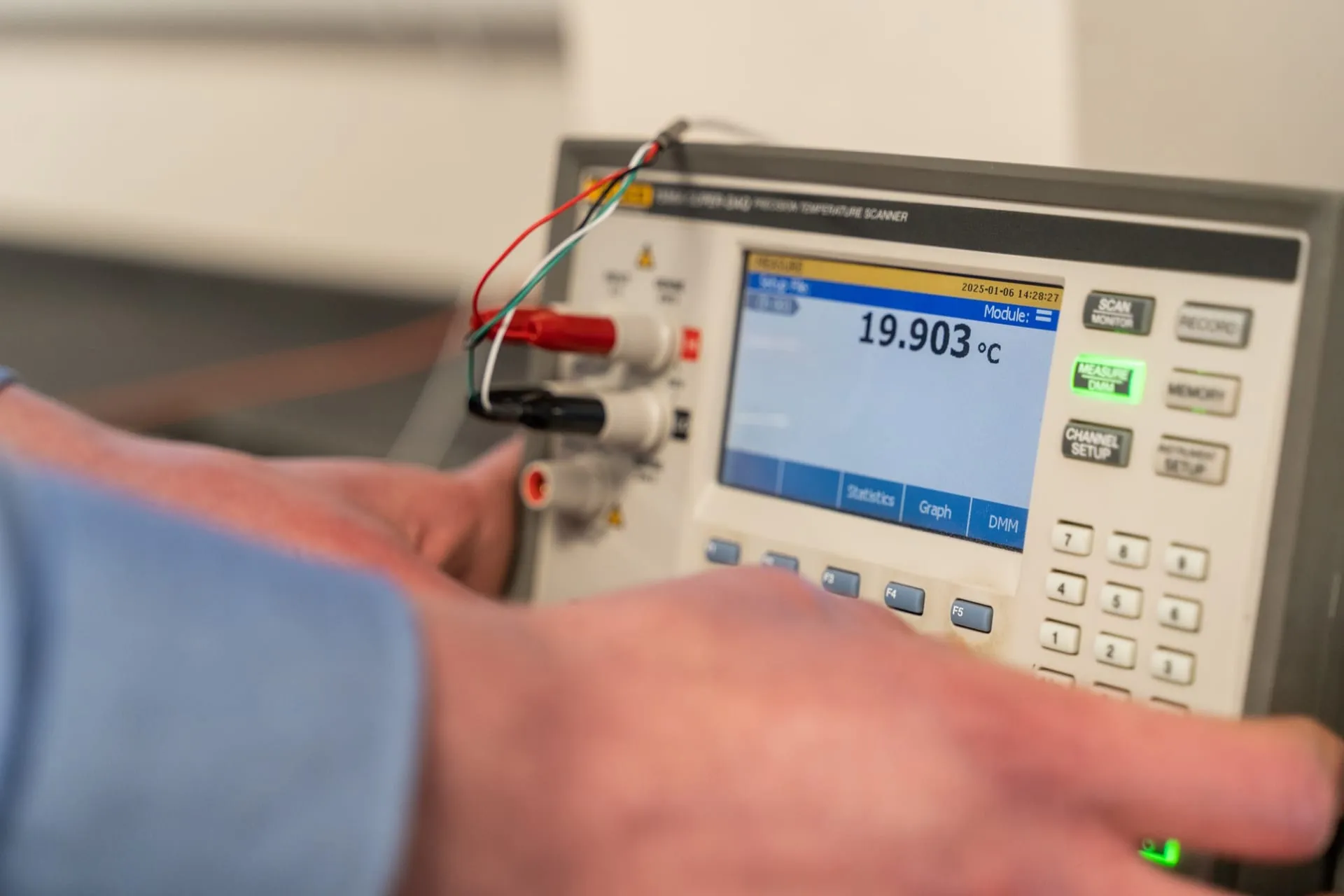
Sealed IP67 sensors, probes for the points that need them, and door sensors where an open door is the usual cause. Node+ embedded and Node+ PT100 are designed to meet EN 12830:2018, accuracy class 0.2. Sematics keeps every reading, alarm and response, and named users complete the compliance checks your verification needs.
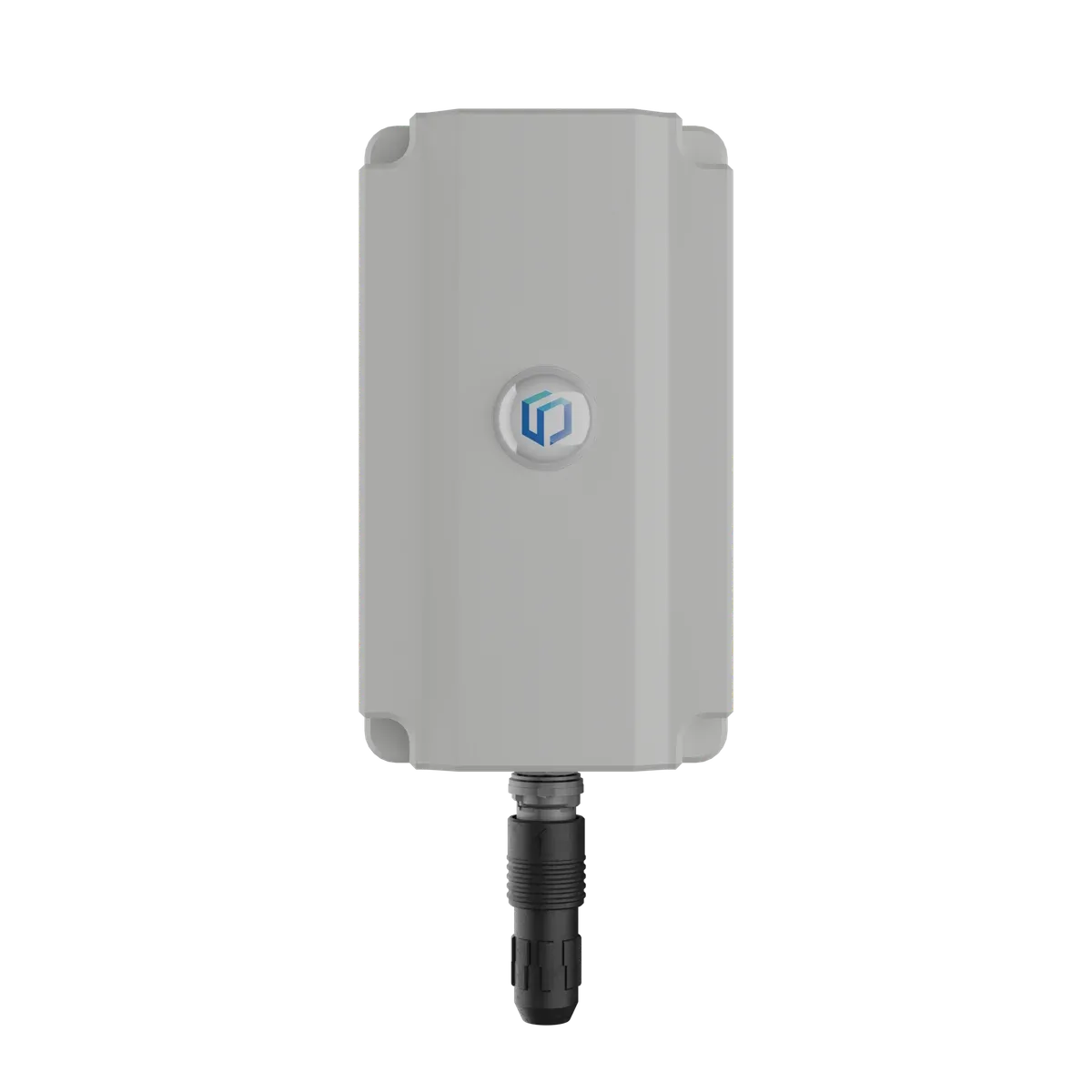
SEN-AIN
Sealed wireless temperature sensor for fridges, freezers and stores.
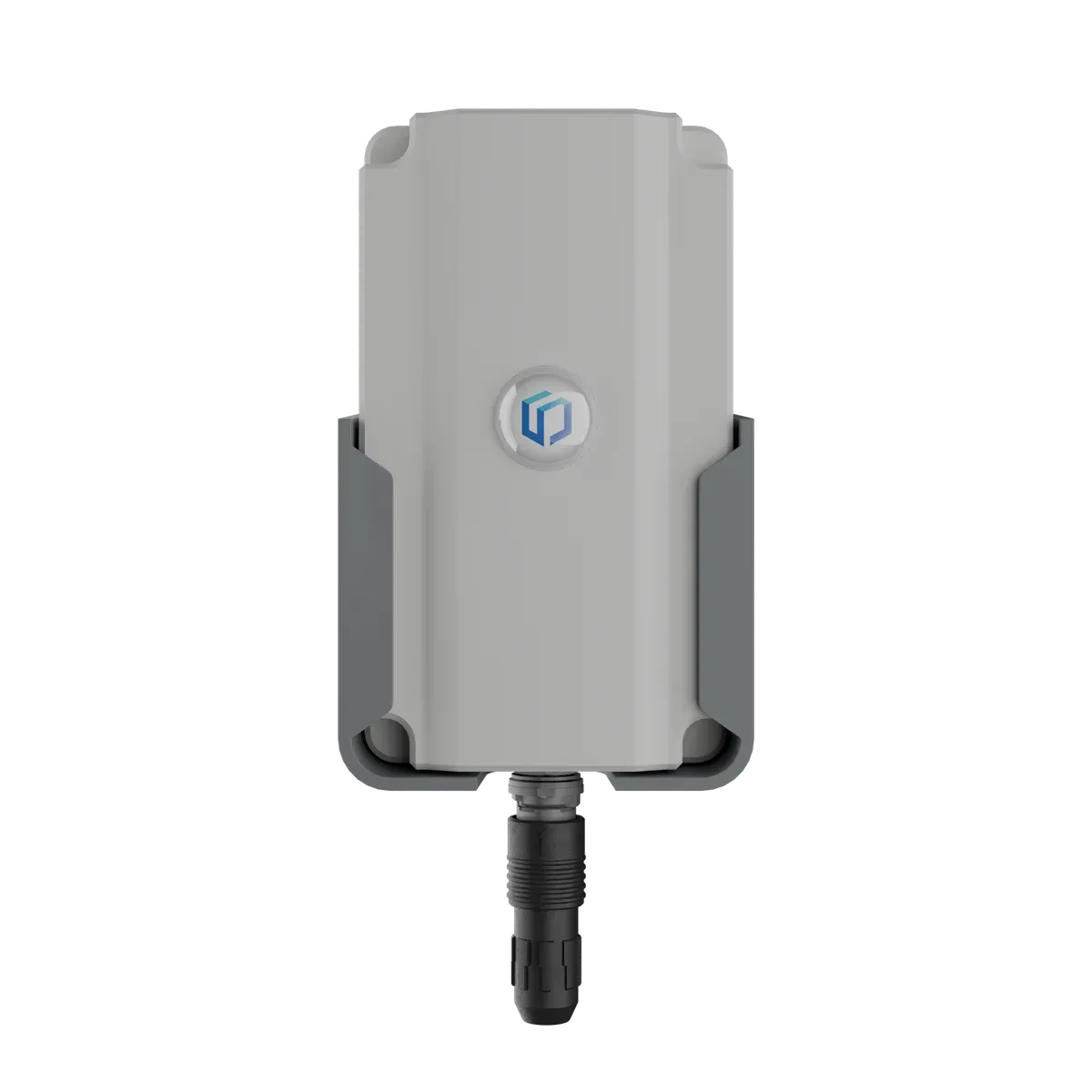
SEN-BEP
PT100 probe input for ultra-low freezers, tanks and medical fridges.
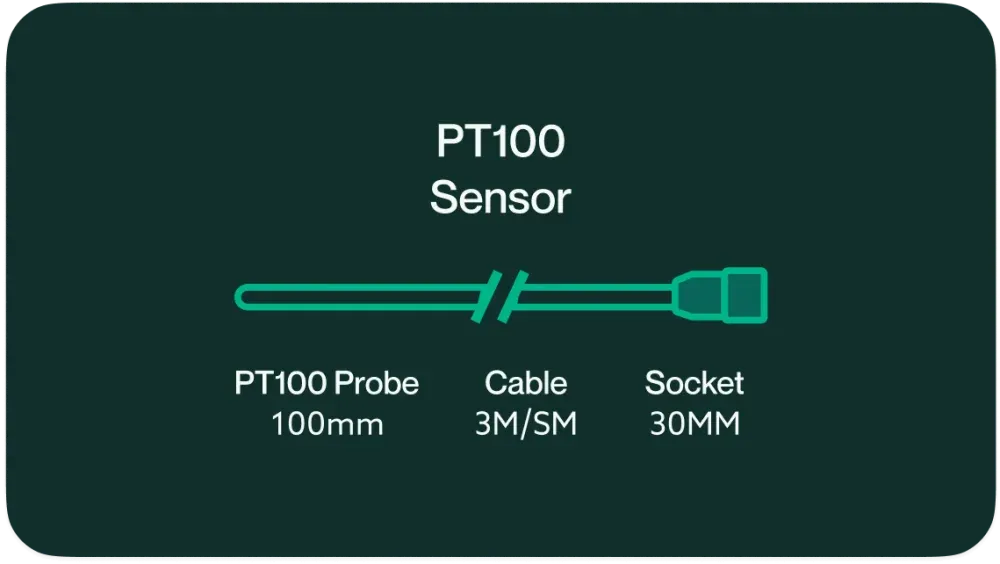
AC-DOOR-IND, AC-DOOR-2W
Dry contact door switches for the Node+ range.
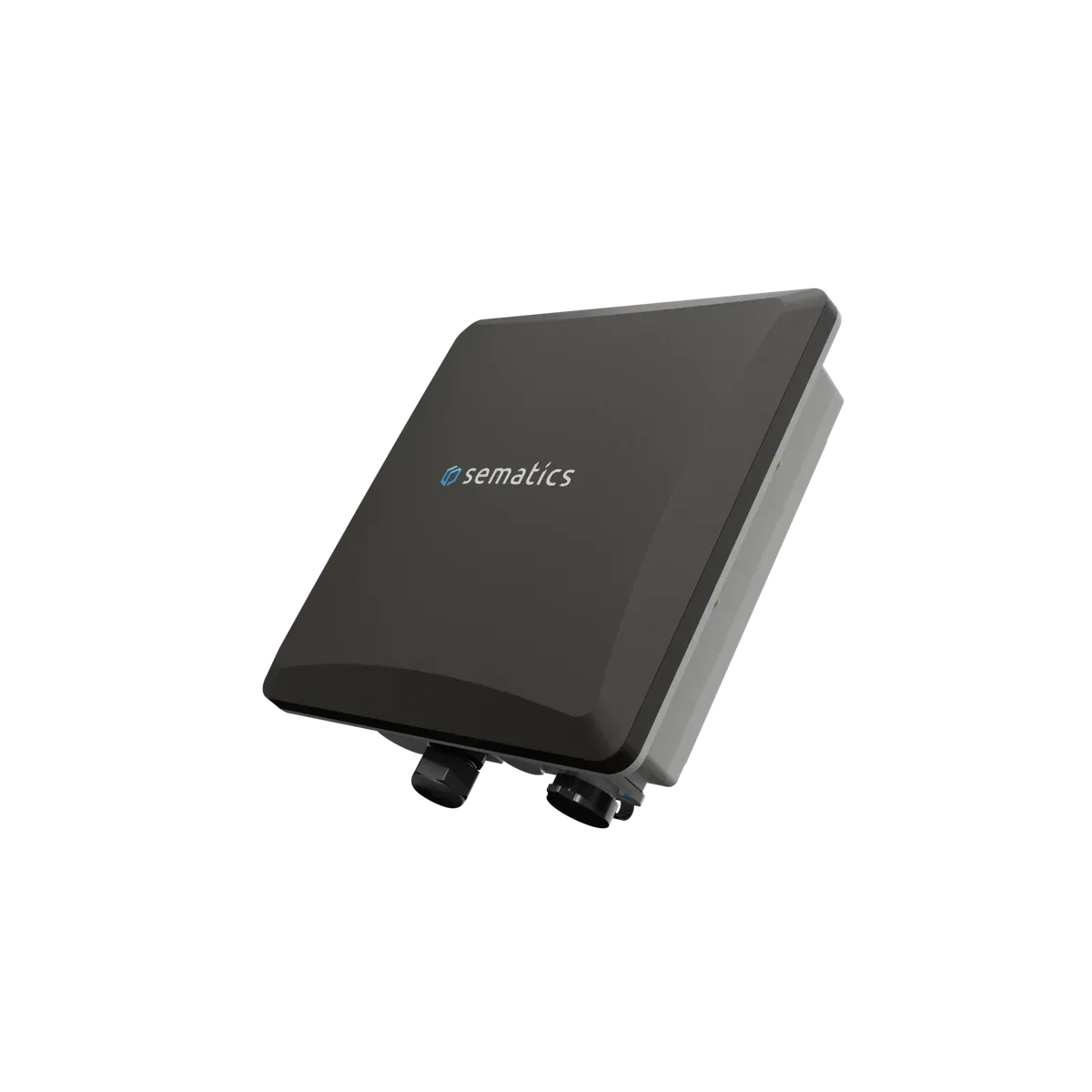
Our food guidance
Limits, monitoring, corrective action, verification and records.
Read the guidanceFood Safety Issue 9, clause by clause.
Read the guidanceThe figures 853/2004 sets for meat, poultry, mince and fish.
Read the guidancePick one number, write down why, alarm before it.
Read the guidanceWhere the law, SFBB, ButcherSafe and the FSAI differ.
Read the guidanceWhere the probes go in a cold store.
Read the guidanceServices for this sector
Wireless sensors, alarms that reach a person and an audit trail of who acted.
Explore the serviceA managed study, from protocol to report, with probe positions you can defend.
Explore the serviceTemperature calibration in our UKAS accredited calibration laboratory No. 10723, or on your site.
Explore the serviceHardware IQ and OQ, the platform validated by Sematics, and your URS, DQ and PQ.
Explore the serviceFree checklist
Chill, frozen and hot holding limits, tolerances, time rules and record periods for England, Wales, Northern Ireland, Scotland and Ireland, on one PDF. Every answer behind it is in our food temperature guidance, with its source.
Questions
The law doesn't say: it is a HACCP decision you justify. Our recommendation is every 10 minutes or less, and 5 minutes for cooling and ready-to-eat chill, with alarms set inside the critical limit by at least the instrument accuracy. Node+ sensors log every 5 minutes by default.
BRCGS asks for CCP records verified where appropriate by an authorised person, and evidence that electronic records were checked. In Sematics a named user completes each compliance check, with every alarm and its actions listed, and the completion is recorded with their name, role and time.
Each probe has its own limits and delay, set from that unit's door and defrost recovery data. An excursion that recovers inside the delay is still recorded, without paging anyone, and a real loss of control still reaches a person.
BRCGS says risk-based. Our recommendation is traceable calibration at least every 12 months, UKAS accredited where a regulator, standard or customer requires it, at three or more points that bracket the operating range and the alarm set points, with results reported as found and, where adjusted, as left. Calibration for every sensor we supply: traceable to national standards as standard, or UKAS accredited where you need it (temperature in our own UKAS accredited calibration laboratory No. 10723).
BRCGS Food Safety sets at least shelf life plus 12 months. Sematics keeps records unaltered for as long as you're with us, and if you leave, the complete set comes to you in searchable formats.
Reviewed by Jake Farrow, Managing Director, on 19 October 2026.
20-minute compliance check
In 20 minutes we go through your limits, monitoring, alarms, verification and calibration with you. You get the gaps in writing. No product tour.