A temperature-controlled supply chain doesn't end at the warehouse door. Once a vehicle leaves the depot, the load is exposed to weather, delays, repeated door openings and the health of one refrigeration unit, and most of that happens with nobody watching.
Monitoring in transit closes that gap. Live readings from each vehicle, with alarms that reach a person while the load is still on the road, turn a rejected delivery into an issue you can manage. The same data becomes the journey record your customer, auditor or, for medicines, your Responsible Person will ask for.
What causes temperature problems in transport
Most in-transit excursions come from a short list of causes. Knowing which one you're dealing with is the first step to fixing it.
- Weather. A hot afternoon or a freezing night puts extra load on the refrigeration unit, and a unit that copes in spring may not cope in July.
- Door openings. Every drop lets conditioned air out and warm air in. A multi-drop route can mean dozens of small rises in a single shift.
- Refrigeration faults. A failing compressor, a blocked evaporator or a unit switched off at a stop can change the load temperature quickly.
- Traffic and delays. A longer journey means longer exposure, especially if the vehicle is standing with the engine off.
- Loading and unloading. Product loaded warm, pallets blocking airflow, or a trailer left open on the bay while it's loaded.
Why tracking and temperature belong together
Temperature data tells you what happened. Vehicle tracking tells you where and when. Put together on one timeline, they answer the questions an investigation always asks.
- Where was the vehicle when the reading started to rise?
- What stage of the journey was it at?
- Had it stopped, and for how long?
- Was it at a delivery point with the doors open?
- Did the rise recover on its own, or did someone have to act?
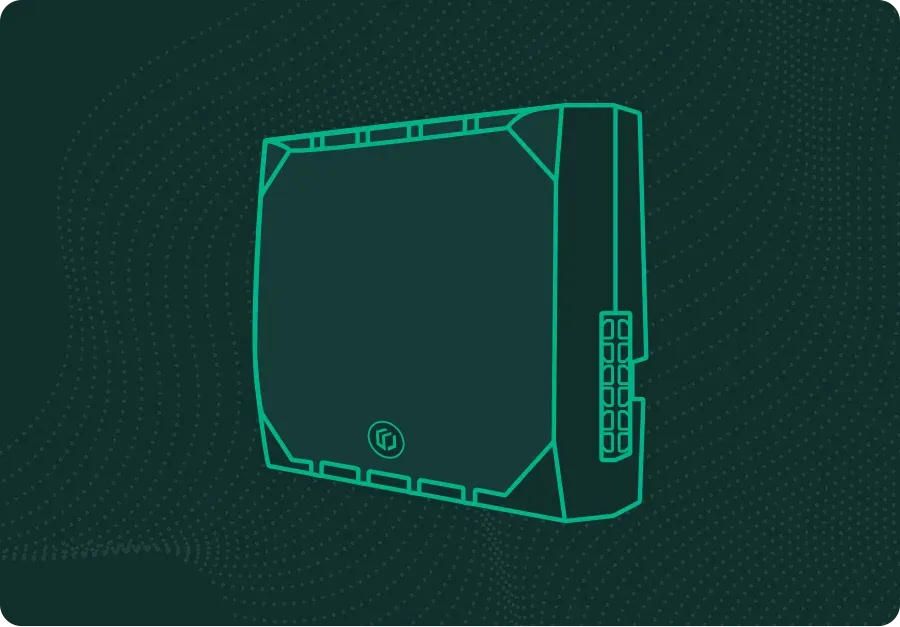
Add a door switch on the load space and you can see whether a rise lines up with a door opening or with nothing at all, which usually points to the refrigeration unit. Our vehicle trackers and temperature sensors report to the same Sematics platform as your fixed sites, so depot and vehicle sit in one record.
Alerts while the vehicle is still on the road
Finding a problem when the vehicle gets back to the depot is usually too late. The load has been delivered, or rejected, and all you can do is explain.
A live alarm changes that. When a reading crosses its limit, the right person is told by text, call, email or app, with a clear escalation if nobody responds. They can phone the driver, check the unit, divert to a depot or hold the delivery. That's the difference between managing an issue and discovering one after the fact. Read more about alarms and reporting.
- 14:02Reading risesChilled load passes its upper alarm limit after a long drop.
- 14:07Alarm sentTransport supervisor gets a text and an app alert.
- 14:10Driver calledRear door found not fully closed; driver secures it.
- 14:31Back in rangeReading recovers; the event and the action are logged.
Illustrative times. The point is that the alarm reaches someone while there is still time to act.
What historical journey data shows you
Not every problem needs an immediate response. Over weeks and months, journey history shows patterns that a single delivery never would.
- A route that is regularly delayed at the same point.
- A vehicle whose unit struggles every afternoon, which is often the first sign of a fault.
- Delivery locations where doors stay open far longer than elsewhere.
- A stage of the journey where readings always drift.
Those patterns tell you where to send an engineer, which routes to re-plan and which customers to talk to about their goods-in process. A national food distributor we work with now sees risks in its fleet while there is still time to act, rather than hearing about them once stock was lost.
What your journey record should show
For food, the law and your customers expect chilled goods to be kept at safe temperatures throughout distribution (in England, 8 °C or below for most chilled foods under the Food Safety and Hygiene Regulations). For medicines, Good Distribution Practice expects products to be transported within their labelled conditions, and the evidence to show it. Either way, someone will eventually ask you to prove it.
Calibration matters here too. Readings are only evidence if the sensor is known to be accurate. We offer calibration for every sensor we supply: traceable to national standards as standard, or UKAS accredited where you need it (temperature in our own UKAS accredited calibration laboratory No. 10723, accredited to ISO/IEC 17025; other parameters through accredited partners). See calibration.
How JTF supports cold chain logistics
We fit and support temperature monitoring and tracking across vehicles, trailers and fixed sites, with 680+ trackers and cold-chain boxes on the move on Sematics today. Wireless sensors mean no cable runs through the vehicle, and a logistics provider we work with moved from hard-wired probes to wireless sensors with a probe-swap programme, so calibration no longer takes vehicles off the road.
The aim isn't just to know where a vehicle is. It's to know what is happening to the products inside it, and to have the record ready when someone asks.
Questions people ask
What sensors can be used in refrigerated vehicles?
Sematics supports Bluetooth (BLE) temperature and humidity sensors, hard-wired temperature probes and door sensors for refrigerated transport. Which mix suits you depends on the vehicle, the body and whether you need location data on the same record.
How are sensors installed in vehicles?
Bluetooth sensors use non-invasive mounting, so there are no cable runs through the body. JTF engineers fit and commission them, and check each vehicle is reporting before it goes back into service.
Why combine vehicle tracking with temperature monitoring?
Temperature data shows what happened; tracking shows where and when. On one timeline you can see whether a rise lined up with a stop, a door opening or a delay, which makes the investigation and the corrective action much quicker.
What should an in-transit temperature record include?
Readings for the whole journey, alarm events, the vehicle's location at the time, and what was done about each deviation and by whom. Sensor calibration certificates should be available alongside it.